ペットの世話と庭の繁栄のバランスをとるのは難しい場合があります。毛皮で覆われた友達が植物を踏みつけたりかじったりするかもしれませんが、より一般的な懸念は、園芸作物が彼らに害を及ぼすのではないかということです。犬や猫がトマトの木をかじっているのに気づいたら、葉や茎に毒性があるのではないかと心配になるかもしれません。
以下は、 獣医師の支援を受けたトマト植物の潜在的な毒性の概要です。 と園芸作物の周囲でペットを安全に保つための実践的な手順 .
簡単な答え

トマトの葉、茎、未熟な緑色の果実は犬や猫にとって有毒です。 The foliage contains solanine, a glycoalkaloid that can cause nausea, vomiting, lethargy, and loss of appetite.未熟な果実には、別の植物毒素であるトマチンが高濃度に含まれています。 In contrast, ripe red tomatoes are safe in small amounts and can even offer nutritional benefits.
長い答え
肉食のペットがトマトのような葉が多く、穏やかな香りの植物を求めることはまれです。 Still, adventurous animals may investigate or ingest small amounts. A few leaves or a single green fruit rarely cause severe illness, but large consumption can lead to gastrointestinal upset and, in rare cases, systemic toxicity.
ペットのトマト中毒に関する統計
パニックに陥る前に、園芸植物がペットの有毒物質にさらされる割合はごく一部であるという証拠を考慮してください。
Pet Poisoning from Plants is Rare
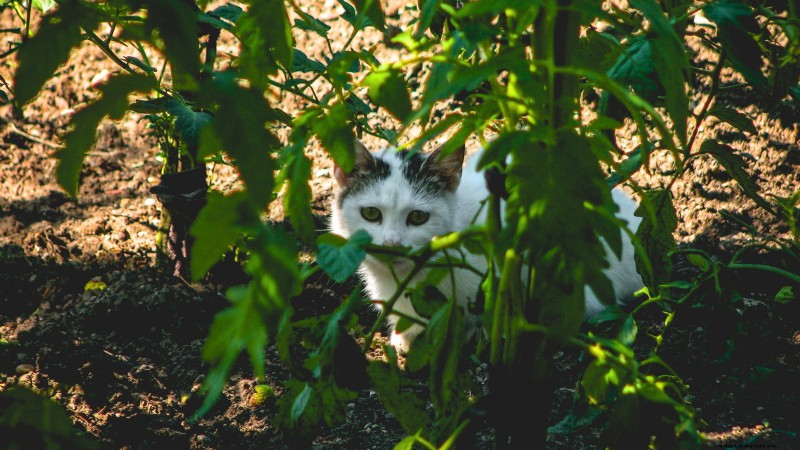
カンザス州立獣医診断研究所での 3 年間の調査では、動物が家庭用植物を食べることに関係した緊急通報は 12% のみであることがわかりました。 Of those cases, just 18% were garden plants such as tomato leaves or asparagus.最も一般的な植物毒はユリ (球根) とマリファナでした。
全体として、植物毒性に関連する緊急通報は全体の 0.02% 未満でした。 The majority of incidents involve therapeutic drugs, household chemicals, or human foods.
家庭用品はペットの毒素への暴露で上位にランクされる
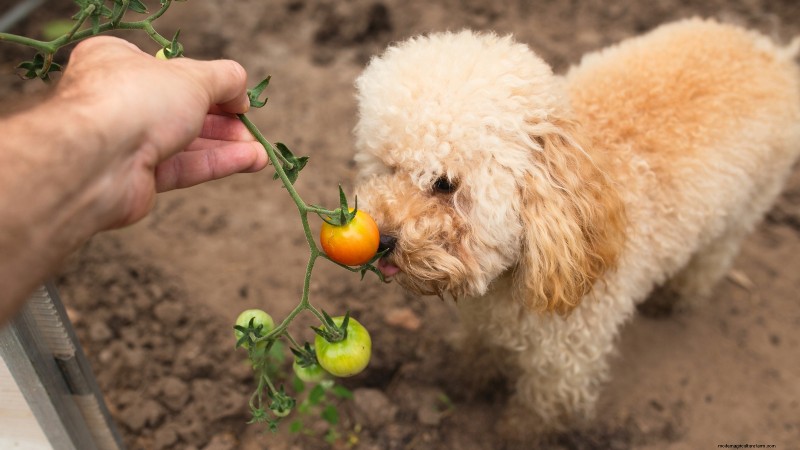
The ASPCA Animal Poison Control Centre (APCC) listed household plants and fungi as the 6th most common exposure in 2023, accounting for 8.1% of calls out of more than 350,000 reports. The top 10 list also includes:
<オル>
市販薬
人間の食べ物や飲み物(ブドウ、アルコールなど)
Human prescription medications
チョコレート
動物用製品
Plants and fungi (8.1%)
家庭用品
Rodenticides (e.g., rat poison)
殺虫剤
娯楽用麻薬(マリファナなど)
Tomato Greenery Is Unattractive to Dogs and Cats
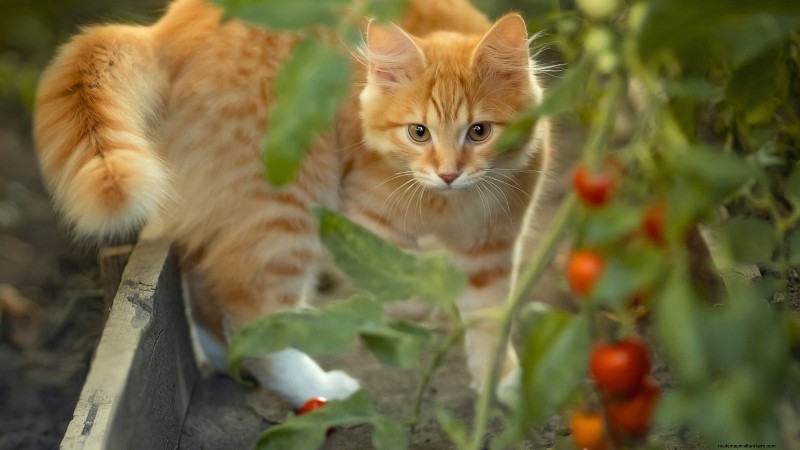
Tomato foliage is textured, sometimes itchy, and emits a strong musky or grassy scent that most pets find unappealing. The fruit, however, can attract curious dogs and cats, especially when ripe.
Solanine and Tomatine Poisoning Are Treatable
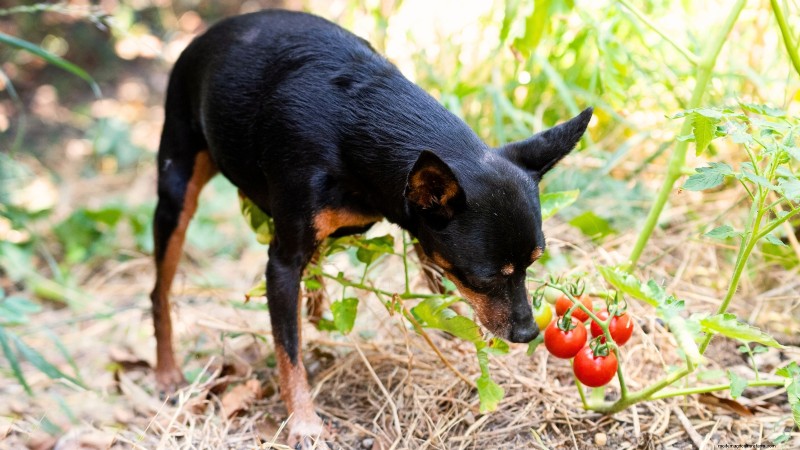
According to the Pet Poison Hotline, death from tomato poisoning is extremely rare. If a pet ingests large quantities of foliage or unripe fruit, veterinarians can induce vomiting, monitor vital signs, and provide supportive care. Rare allergic reactions—such as hives, coughing, or breathing difficulty—can be managed with appropriate medication.
Solanine concentrations are about 5% in leafy parts, while unripe fruits contain less than 1% tomatine. A pet would need to consume a substantial amount to reach toxic levels, but immediate veterinary care is advised if symptoms appear.
Seek veterinary attention if your pet displays any of the following after exposure:
- 嘔吐または吐き気
- 下痢
- Loss of appetite (anorexia)
- 衰弱または無気力
- 過度のよだれまたは唾液分泌過多
- うつ病または異常な無気力
- Pupil dilation or slowed heart rate
犬や猫はトマトの果実を食べても大丈夫ですか?
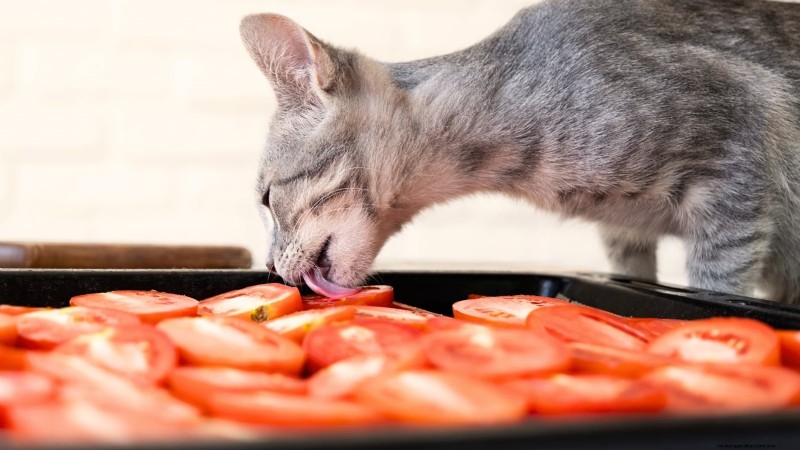
Ripe, red tomatoes are safe for both dogs and cats in moderation. The myth that all tomatoes are toxic stems from the high tomatine content in green, unripe fruit. Once ripe, the toxin levels drop dramatically, and the fruit offers vitamins, minerals, and antioxidants beneficial to pets.
Signs and Symptoms of Tomato Plant Poisoning
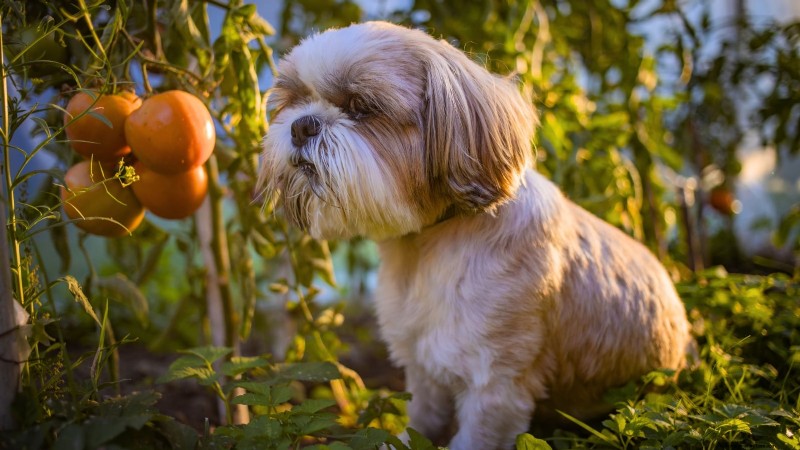
While toxicity requires ingestion of significant amounts, the following signs warrant prompt veterinary evaluation:
- 過度のよだれまたは唾液分泌過多
- Reduced appetite or refusal to eat
- Severe gastrointestinal upset (diarrhea)
- うつ病または行動の変化
- Weakness or lethargy
- 瞳孔の拡張
- 徐脈(心拍数の低下)
Ripe tomatoes are not toxic, but always consider other garden hazards—lily bulbs, pesticides, fertilizers, and certain flowers—when assessing potential exposure.
What to Do If Your Pet Eats Tomato Plants
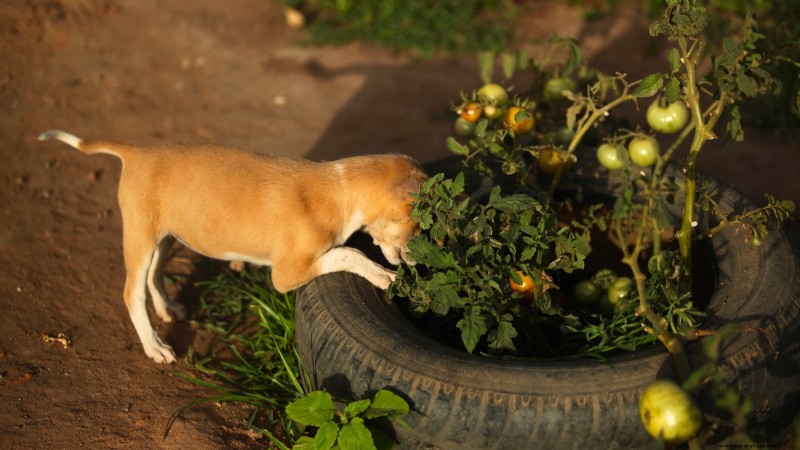
If you suspect your dog or cat has ingested tomato foliage or unripe fruit, follow these steps:
<オル>
Record symptoms every 30 minutes—vomiting, appetite changes, behavior, and water intake.
Estimate the amount consumed—one leaf, several leaves, or a few green fruits.
Photograph the suspected plant material for reference.
Identify any other potential toxins, such as fertilizers, pesticides, or food items.
Consult the ASPCA Toxic and Non‑Toxic Plants List for detailed information.
Call the ASPCA Animal Poison Control Center 24‑hour hotline at (888) 426‑4435 for guidance.
Bring your pet to a veterinary clinic for evaluation and treatment.
How to Prevent Pets From Eating Tomato Foliage
以下の戦略でペットの安全を守りながら、庭を守りましょう。
Grow in Raised Beds
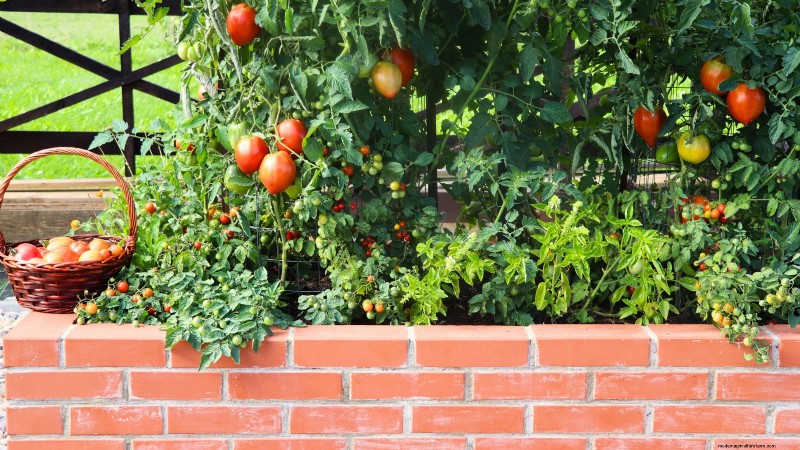
高さ 29 インチまでの上げ床は、小型犬や猫の出入りを制限します。 They also improve soil drainage and plant health.上げ床と低いトンネルまたは列カバーを組み合わせて、好奇心をさらに阻止します。
植物の物理的バリア
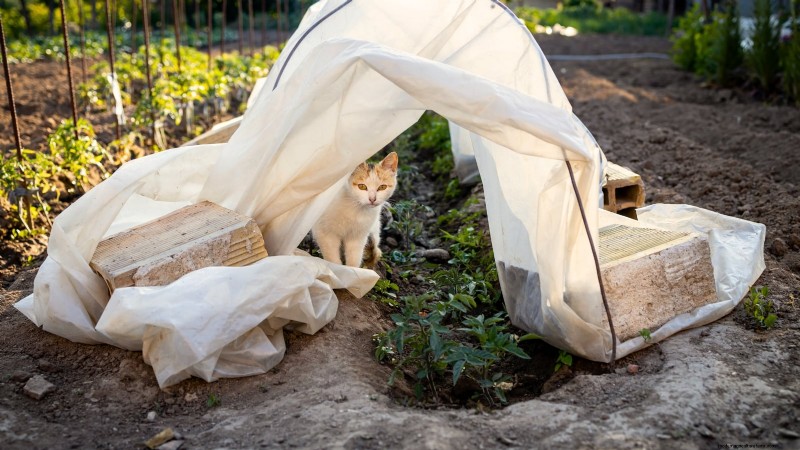
Use row fabric, plastic low tunnels, shade cloth, or bird netting over tomato cages and supports. Secure the material with clamps, landscape staples, or brackets to create an effective physical barrier.
Fencing
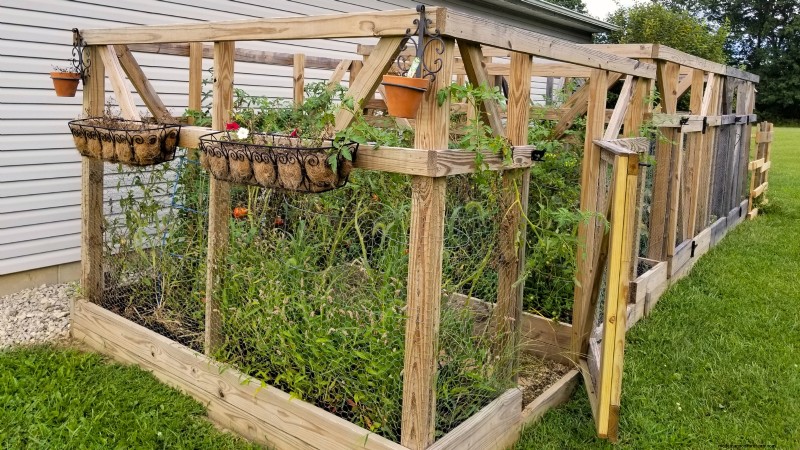
Chicken wire, portable garden fencing, or a dedicated pet fence can keep pets out of the entire garden area.大きな敷地の場合は、鹿または家畜用の電気柵が保証される場合があります。
トレーニング
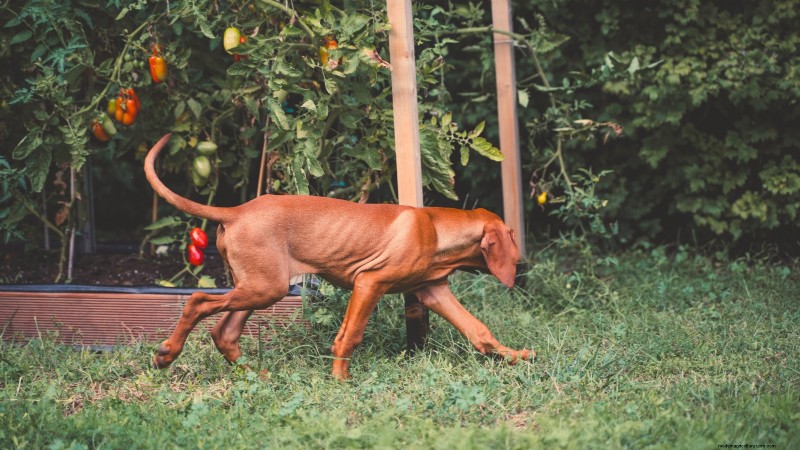
Positive reinforcement training can teach pets to respect garden boundaries.しっかりとした合図、防犯スプレー、鳥の角などを使って庭に立ち入り禁止の合図をしましょう。魅力的なおやつやおもちゃを他の場所に提供して、注意を向けさせます。
最終的な考え
要約すると、トマトの植物が犬や猫に及ぼすリスクは低いです。葉、茎、未熟な果実には軽度の毒素が含まれていますが、ほとんどのペットは重篤な病気になるほどの量を摂取することはありません。 If you suspect a large ingestion, contact the ASPCA Animal Poison Control Center or your veterinarian promptly—treatment is highly effective. For ongoing protection, consider raised beds, fencing, and physical deterrents to keep pets away from your garden.


