私たちのほとんどは、気づかずにいつも花をむしゃむしゃ食べています。ブロッコリー、カリフラワー、アーティチョークはすべて花、つまり花のつぼみです。
明らかに、私たちが見た目だけで価値があると考えがちな植物の部分も、信じられないほどおいしいものである可能性があります。
だからこそ、観賞用の植物を切り捨てるべきではありません。その驚くべき数は、単なる美しい顔ではありません。
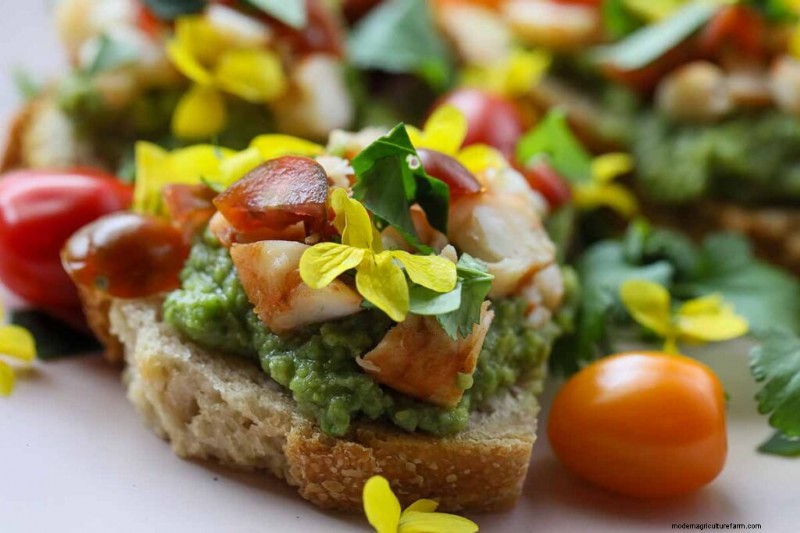
写真:Kristine Lofgren 氏。
関連製品を見つけるために、ベンダーにリンクしています。私たちのリンクのいずれかから購入する場合、 手数料が発生する場合があります .
ベゴニアは柑橘系の爽やかな香りがあり、カーネーションは最高に甘いです。カンゾウはグリーンピースとはちみつのような味がし、クチナシはコサージュにするにはもったいないほど美味しいです。
歴史を通して、特定の花を食べることは流行ったり廃れたりしてきました。
今日私たちが庭をきれいにするために使用しているいくつかの植物は、かつては食用としてより価値があった。そして、カップケーキに乗っているスミレの砂糖漬けのことだけを話しているわけではありません。
花は想像できるあらゆる料理に使用できます。
植物に二役の役割を果たしてもらいたい場合でも、食卓に何か新しいものを盛り込みたい場合でも、このガイドでは、食べるだけでなく、観賞用の花壇ではなく野菜の横に植えてしまうほどおいしい花も数多く紹介します。
ここで説明する品種は次のとおりです。
ほとんどのハーブの花は食用です – タラゴン 、タイム 、オレガノ 、セージ 、など – ただし、特にユニークなものでない限り、または葉の風味とは異なる風味がない限り、これらはリストから除外しました。
葉があるときはいつでも自由に食べてください。ほとんどの葉は葉によく似た味がします。
アブラナ科の植物も同様です。特にマスタードは風味豊かなフラワーナゲットを生み出します。
また、特に記載がない限り、食べる直前まで花を洗うことは避けてください。ほとんどすべての種類の花は生で食べる必要があります。
熱い料理に使用する場合は、調理の終わりに近づくか、提供する直前まで追加するのを待ってください。そうでない場合はお知らせします。
庭から収穫する場合や採餌する場合は、摘んだ花に最近化学物質が散布されていないことを確認してください。
または、ディナー パーティーで使用する植物の 6 パックを買いに苗床に駆け込むことにした場合は、 事前にそうしておくと既存の花を枯らしてしまうことができます。 そして、安全に摘み取って提供できる新しいものを育てましょう。
新しい食べ物を試したときに、自分が知らなかったアレルギーを発見する人もいることに注意してください。
たとえば、カンゾウを食べると、人によってはアレルギー反応を引き起こす可能性があります。新しい種を試す場合は少しかじってみて、数時間待ってから頭から飛び込みます。
1.アカシア
おそらくアカシアの花 (アカシア ディールバタ) を見たことがあるでしょう。 、別名ミモザの木)は、木から房状にぶら下がったり、花屋の束でぶら下がったりします。
特徴的な毛羽立った花を見つけた場所ならどこでも、それを口の中に入れるとは想像もしていなかったはずです。
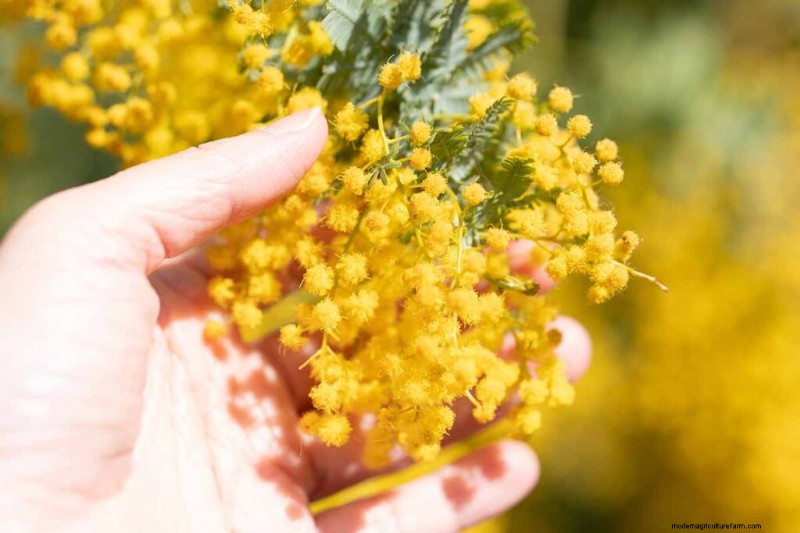
ただし、そうすべきです。トーマス・ジェファーソンはかつて、ミモザは「世界で最もおいしい花の咲く低木」であり、オレンジ以外にわざわざ温室で育てたいと思う唯一の植物であると述べました。
蜂蜜のような甘い花の風味があり、調理にも耐えます。
実際、ほとんどの人がそのように使っています。あいまいな部分をむしゃむしゃ食べるのは少し奇妙に感じられるためです。
私は、毛羽立ちを減らすために刻んだり砕いたりするのが好きですが、生の方が風味が一番良いと思います。
ちなみに、花の展示で見つけたものは、それがアカシア アカシアであると100パーセント確信している場合を除き、食べないでください。 .
この属の他のメンバーは有毒である可能性があります。また、花に化学物質が噴霧されていないことも確認する必要があります。
言い換えれば、木から引き抜いたもので、確実に識別できるものに固執するのがおそらく最善です。
2.アリウム
アリウムのすべての花 この属は食用ですが、すべてが美味しいわけではありません。
ニンニクやタマネギの香りがあり、あまり苦味のない花を選ぶなら、 必ずチャイブを選んでください。 そしてネギです。 .
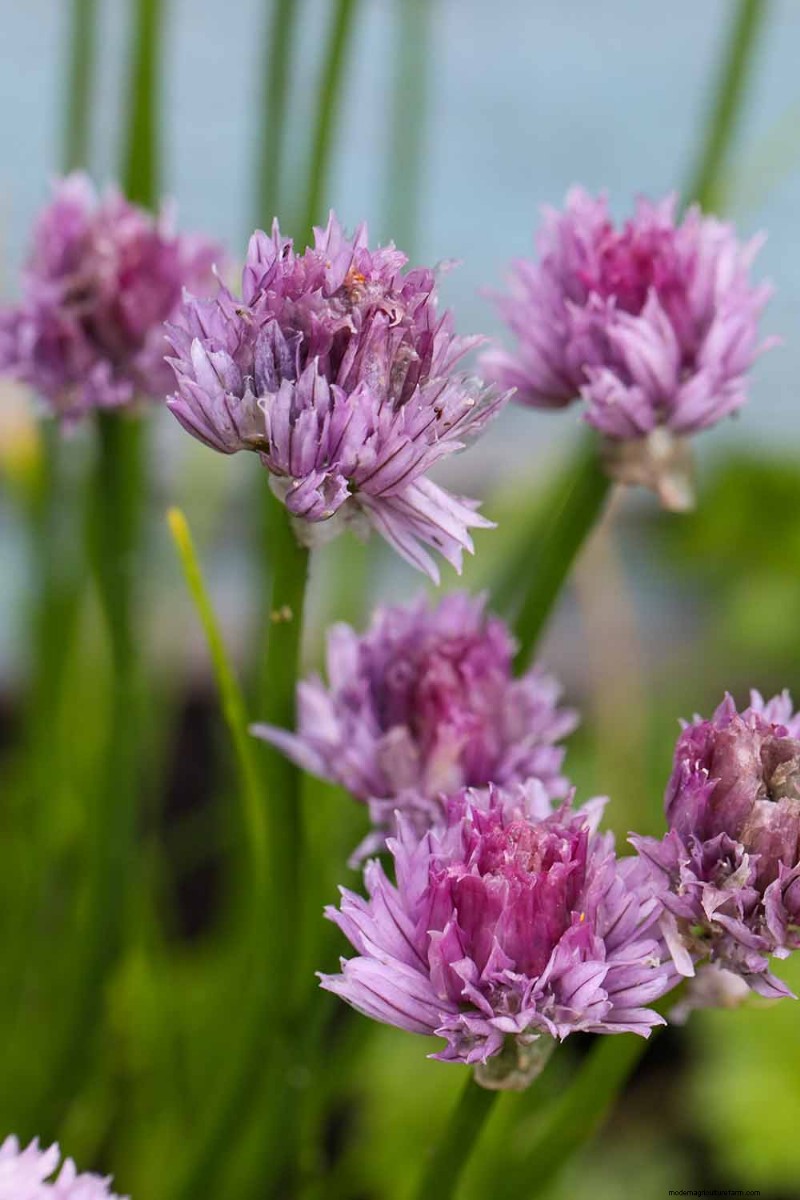
写真:Kristine Lofgren 氏。
ニンニク 、玉ねぎ 、 そして観賞用ネギです。 花は料理に素敵なアクセントを加えることができますが、少し苦かったり、硬かったりする傾向があります。ただし、すべてがそうではないので、いろいろ試してみてください。
これらの紫、ピンク、または白の宝物を、カッテージ チーズ、サワー クリーム ベースのディップ、スープ、ご飯、オムレツ、またはエビのサンドイッチなど、玉ねぎの風味をほんの少しだけ感じたい場所にトッピングして使用してください。
3.アニス・ヒソップ
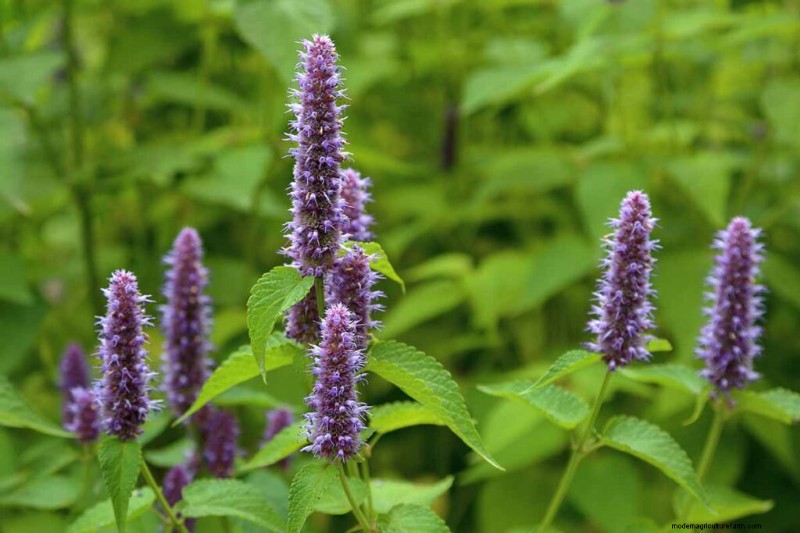
アニス ヒソップ (Agastache foeniculum) の花 ) 味は葉の味とよく似ており、甘くて甘草のような風味があり、ほんの少し花の香りがします。
ハーブの葉を使用する場所ならどこでも、花の代わりに使用したり、サラダ、スープ、パスタ、米料理に和えることもできます。
正確にどのように使用するか迷ったら、ローズマリーをどのように使用するかを考えてください。 またはミント。
ラム肉、牛肉、鶏肉、サラダ、スープ、パスタ、米など、どんなものにでもアニス ヒソップを入れる方法がきっと見つかるはずです。
細かく刻めば花の頭全体を食べることもできますが、食べる前に毛羽立った頭から個々の花を引き離すことをお勧めします。
アニス ヒソップの花の育て方を学びましょう。
4.学士ボタン
キュウリの香りとたくさんの色を加えるには、独身ボタン (ケンタウレア シアヌス) を追加します。 ) サラダに加えたり、デザートの付け合わせとして。
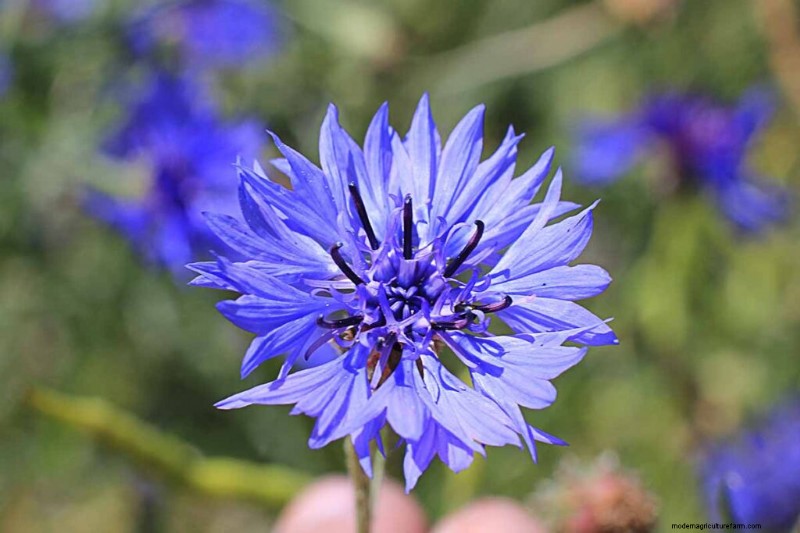
ヤグルマギクのコバルトブルーは、キッチンと同じように庭でも印象的です。
パスタ皿の上に山盛りにしてゲストを驚かせたり、ケーキやクッキーに焼いて自然なポップな色合いを演出したりできます。
風味は少しスパイシーな甘みがあり、デザートにもおいしい料理にもよく合います。
独身ボタンを伸ばすためのガイドをご覧ください。 これらの花をあなたの庭に加えてください。
5.ビーバーム
ワイルドベルガモット (モナルダ ディディマ) )ビーバームとしても知られ、ミントのような、わずかに甘い、オレガノのような風味があります。料理では、風味だけでなく鮮やかな色も際立ちます。
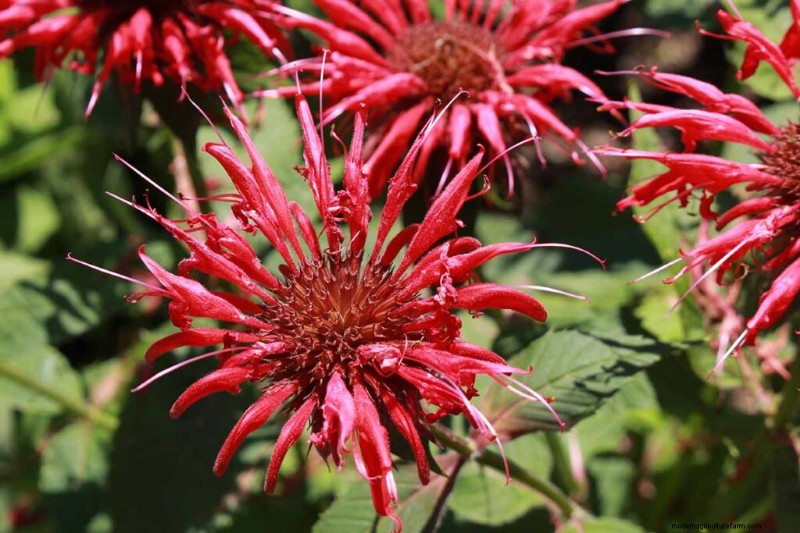
花びらは必ず萼からむしってください。ヘタは調理して細かくスライスすれば食べられますが、ハーブっぽいものが欲しい場合は花びらを食べるようにしましょう。
ビーバームは、ライムジュースなどの酸味、コリアンダーやパセリなどのフレッシュハーブ、トマトと合わせて、サルサに特によく合いますが、紅茶、パン、ジャム、クッキー、カクテルにも最適です。
ガイドでビーバームの育て方を学びましょう。 .
6.ベゴニア
世界中の日陰の場所で、 さまざまなベゴニアの仲間を見つけることができます。 属は花を咲かせています。
しかし、シミを明るくするには素晴らしいのですが、多くの人は、これらが多用途の料理材料でもあることに気づいていません。
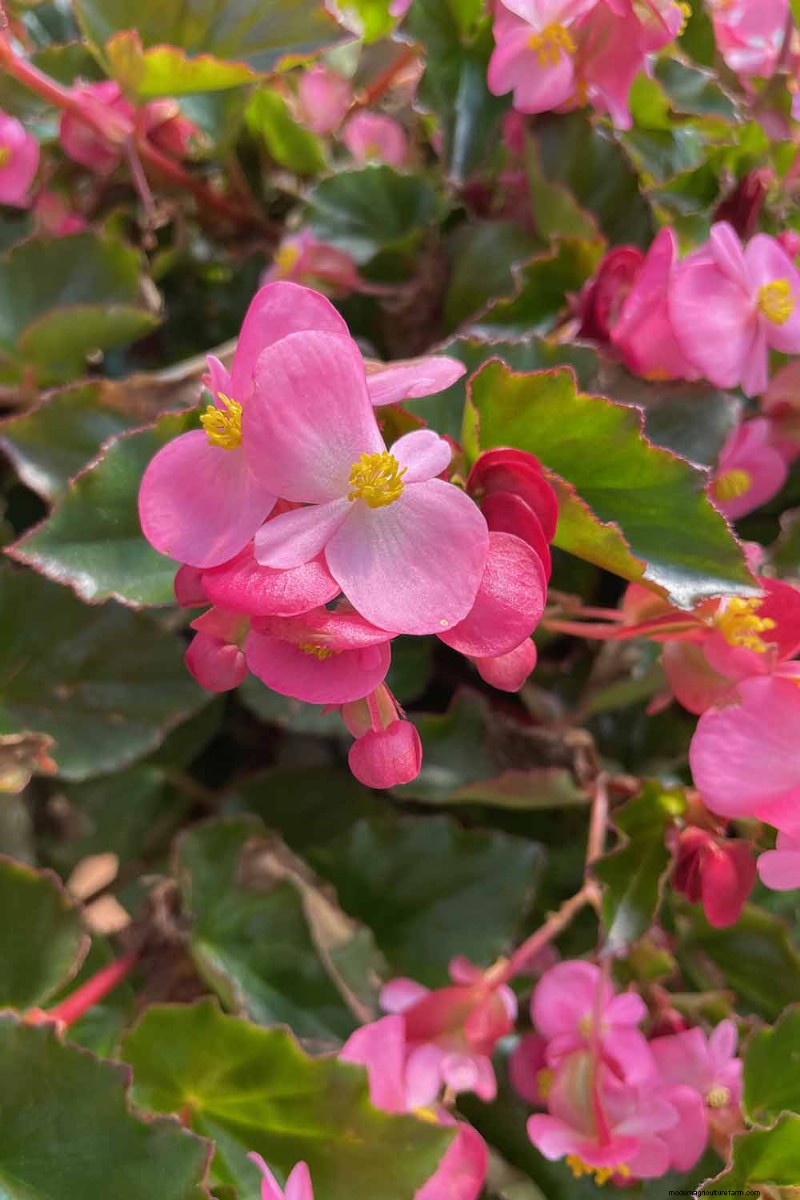
写真:Kristine Lofgren 氏。
すべてのベゴニアは食用ですが、ワックス (B. x semperflorens) ) と塊根ベゴニア (B. x tuberhybrida) ) が一番おいしいです。
ジューシーな花びらはキュウリのような歯ごたえとわずかに柑橘系の風味があり、野菜や魚のサラダにするととても美味しくなります。パンツァネッラで刻んで試してみれば、きっとあなたも虜になるでしょう。
頼りになるレシピをお持ちですか?まずは姉妹サイト Foodal のこの大根パンツァネラから始めましょう。 .
7.ベリー
食用の花をお探しなら、ベリーが最適です。
すべてのルバス とリベス 種、 およびイチゴ (フラガリア 種。 )、ブルーベリー (ワクシニウム spp.) と桑の実です。 (モラス・アルバ ) には食用の花があります。
ラズベリー 、ブラックベリー 、ブラックカラント、グーズベリー – どれも試してみる価値があります!
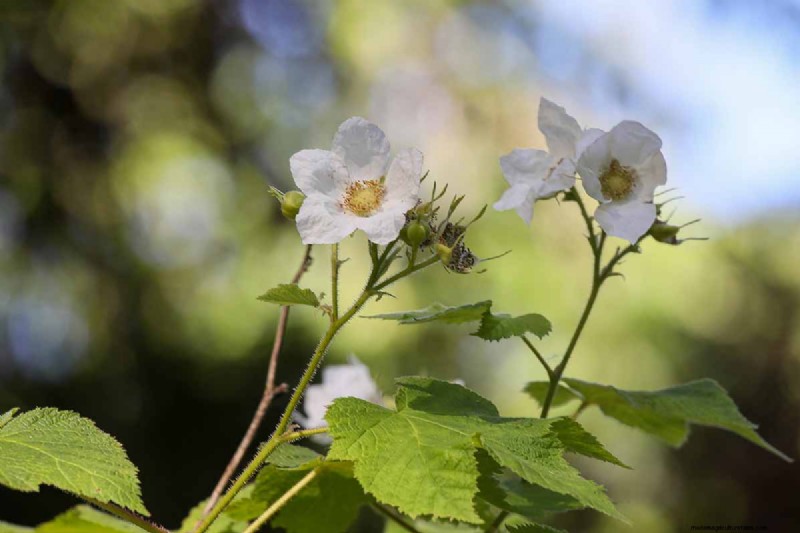
サーモンベリーの花、
Rubus spectabilis 。写真:クリスティン・ロフグレン。
花を摘んでも、その場所には実がならないことに注意してください。
シンプルな花も美味しいですが、果物そのものには勝てません。花への欲求と果物への欲求のバランスをとり、摘みすぎないように注意してください。
一方、 庭がイバラで覆われている場合は、 、収穫を待っている花のお菓子がたくさんあります。
8.ルリヂサ
ルリヂサ (ボラゴ オフィシナリス) ) 育てるのに基本的に労力はかかりません。星型の青い花は美しいだけでなくおいしいです。
甘いキュウリを思わせる風味があり、サラダ、スープ、魚料理、飲み物に特別なアクセントを加えます。
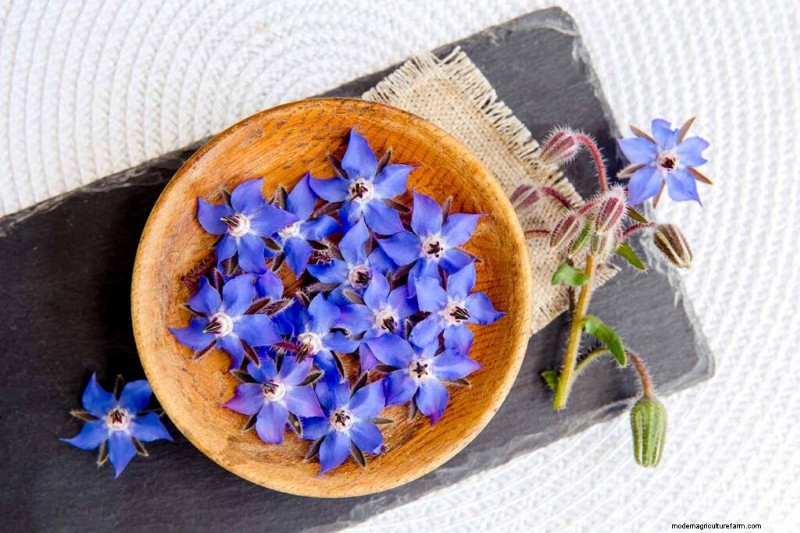
トマトやキュウリと一緒にビネグレットソースで和えたり、夏のおやつとしてレモネードの付け合わせとして使用したりできます。
ルリヂサは料理に最適な花の 1 つであり、おまけに数少ない青い花の 1 つです。
収穫後すぐにすべてを使用しない場合は、湿らせたペーパータオルで緩く包み、冷蔵庫に入れてください。
ルリヂサの植え方と栽培方法については、こちらをご覧ください。 .
9.ブーゲンビリア
太い蔓と鮮やかな花を持つブーゲンビリア (ブーゲンビリア) spp.) は、多くの庭園で最高の栄光としての地位を獲得しました。
いわゆる「花」は実際には苞であり、色の付いた葉が変化したものです。これが可食部です。各苞の中心に付いている小さくて細い花を放り出します。
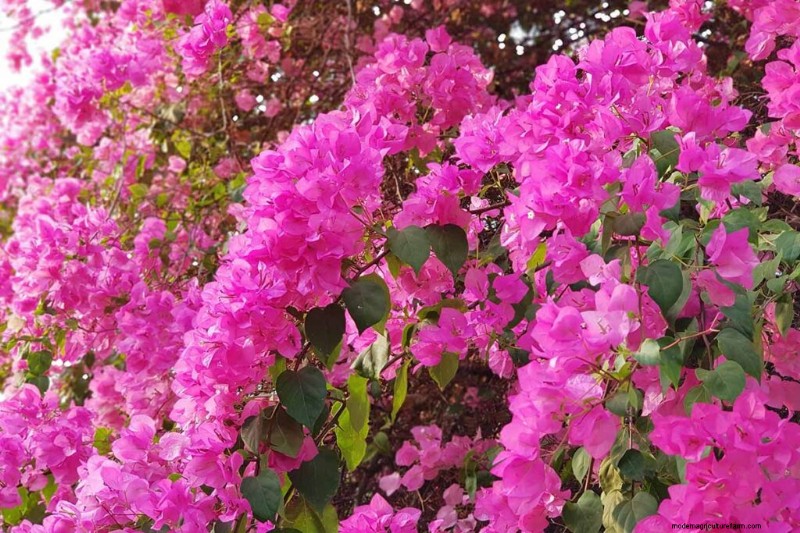
苞葉は新鮮に使用するのが最善ですが、お茶に浸すこともできますが、熱湯の中に 5 分以上浸したままにしないでください。
甘い風味が失われ、非常に苦くなり始めます。
冷水、ライムジュース、砂糖、ブーゲンビリアの苞で作る自家製アグア フレスカは特においしいです。
ガイドでブーゲンビリアの栽培について詳しく学びましょう .
10.カレンデュラ
カレンデュラ (カレンデュラ) spp.)の花は観賞用や薬用としてよく知られており、薬用目的での花を使用する手順を説明するガイドもあります。 .
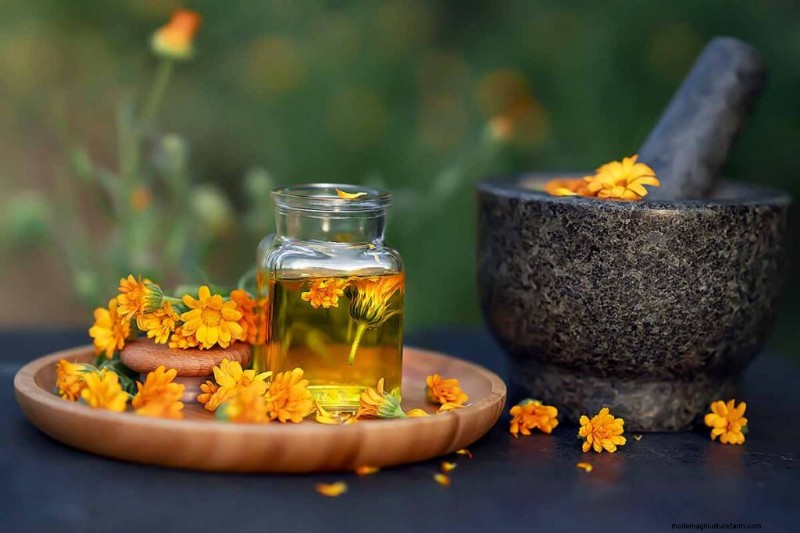
他の種類のマリーゴールド (マリーゴールド) と同様に、ポット マリーゴールドとしても知られています。 spp.) を使用すると、サフランと同じように美しいオレンジ色で料理を彩ることができます。
ただし、これらの花にはサフランの独特の風味がありません。
カレンデュラをオイルやバターの注入に使用したり、サラダやパエリアなどの魚料理に使用したりできます。または、ブルームを添えてショートブレッドやスコーンに入れて焼きます。
カレンデュラの育て方についてはガイドで学ぶことができます .
11.椿
椿 (椿) spp.) は華やかで甘いので、デザートやフルーツサラダの付け合わせに最適です。
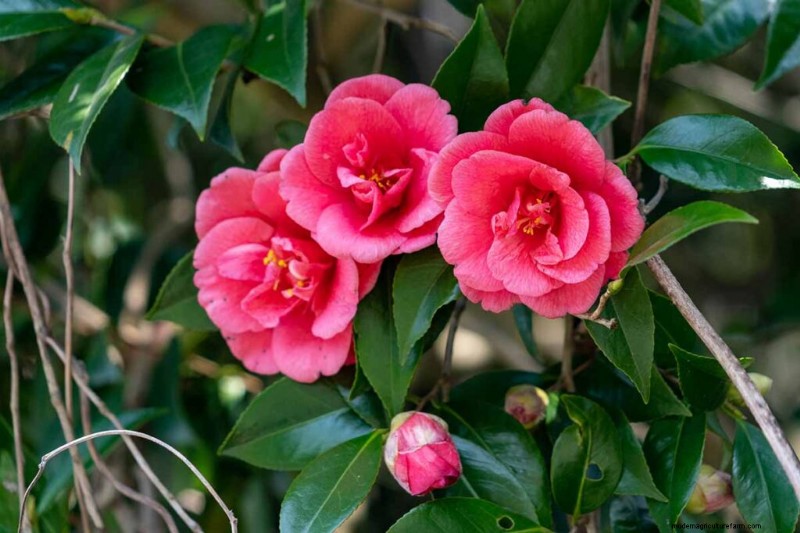
花びらをキャンディーにして、ケーキ、クッキー、ペストリー、その他のお菓子に乗せることもできます。花の砂糖漬けの作り方は姉妹サイト Foodal で学ぶことができます。 .
ガイドで椿の花の育て方を学びましょう .
12.カーネーション
ここで私たちは、幸せな小さなカーネーション (ナデシコ カリオフィルス) を楽しんでいます。 ) 花束を買って、ずっと食べていたかもしれないのに、ゴミ箱に捨てていました。
まあ、その花束が食料品店や花屋から来たもので、その花が化学物質で処理されているかどうかを確実に知ることができない場合は、そうではないかもしれません。でも、その気持ちはわかります。
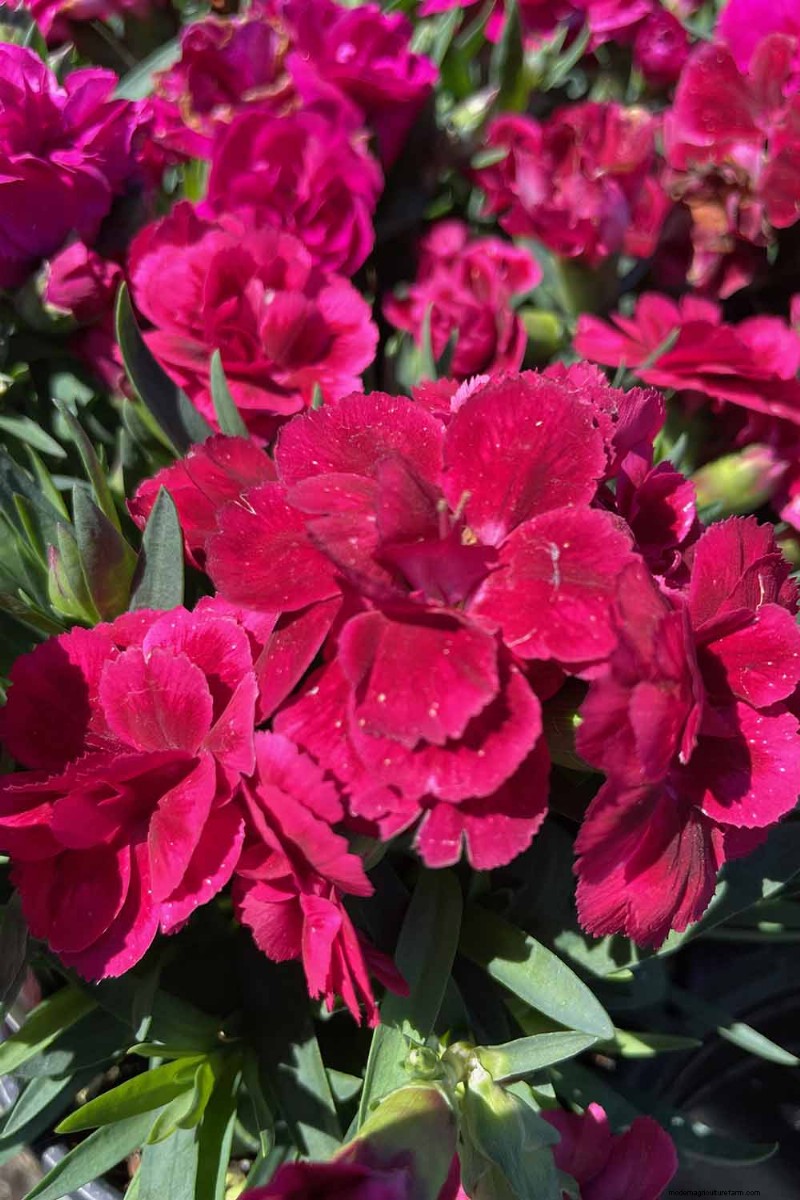
写真:Kristine Lofgren 氏。
カーネーションは常に流行と廃れを繰り返しているように見えるため、食用であることを知れば、庭園での人気が高まるかもしれません。
花屋で買ったものは確かに食べることができますが、有毒な化学物質が散布されずに育てられ配置されたものであることがわかっている場合は、庭で自分で栽培するのが最善です。
そうすることで、より柔らかく風味豊かになります。また、食べられない添加物を心配する必要はありません。
カーネーションは非常に甘く、ほんのり花柄です。実際にシャルトルーズ リキュールの原料として使用されているのは、そのためです。
苦味を取り除くためにかかとを切り落とすことをお勧めしますが、そうでなくても、この花はまだ甘いです。
花びらは、イチゴジャム、パイ、サラダにしたり、デザートのトッピングにしたり、シナモン入りのリンゴ酢に漬けたり、砂糖漬けにしたりして素晴らしいです。フリッターやクレープにも加えてみてください。
カーネーションの花の育て方と手入れに関するヒントをここで見つけてください .
13.カモミール
カモミール ティーを飲んだことがあるなら、この花の味がわかるでしょう。
しかしマトリカリア カミツラ とチャマメルム・ ノービレ リンゴのような風味があり、温かい淹れたての飲み物以外にも適しています。
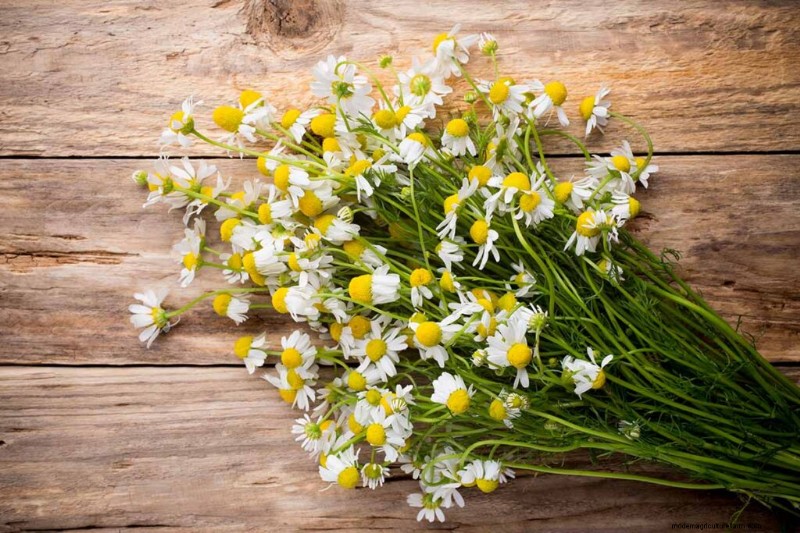
デイジーのような頭を味噌汁、オートミール、シリアル、サラダ、カクテル、またはビスケット生地に入れてください。
ジャム、アイスクリーム、キャンディー、ケーキなどの甘い食べ物に入れても素晴らしい味わいです。少しリンゴの香りが感じられればどこでも良い選択肢です。
カモミールの育て方については、ガイドをご覧ください。 .
14.チコリ
チコリ (チコルム変種) ) 花は 1 日開いてから散ってしまうので、少し特別なものになっていると思います。
そして、その鮮やかな青紫の色合いは、庭やメニューでさらに歓迎されます。
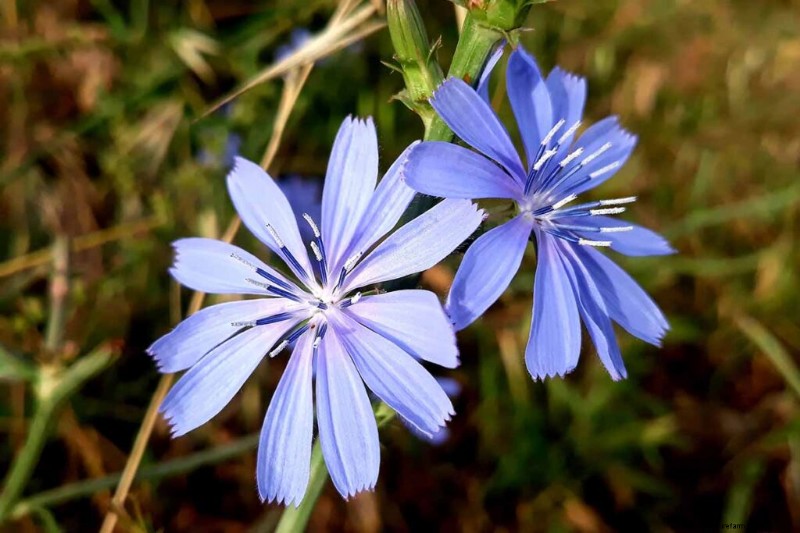
このラディッキオの野生の親戚です。 いとこに苦みがあるので、これらの花は控えめに使用してください。サラダや野菜料理に少しヒントを加えるだけで十分です。
私たちのチコリ栽培ガイド 栽培手順を提供します。
15.菊
間違いなくエレガントな菊 (菊) spp.) は古典的な美しさです。
キッチンの窓に数枚の花びらを置くと、料理に特別なものを加える色とりどりの花びらが安定して供給されます。
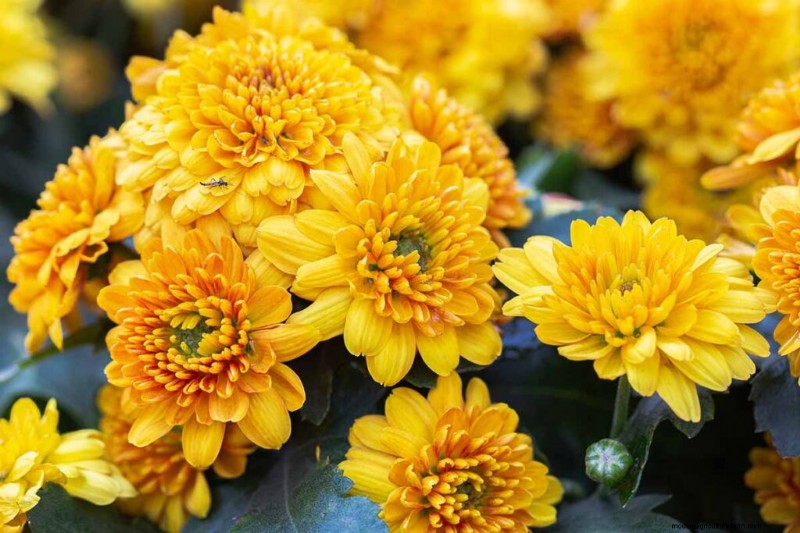
特にお母さんが屋外で育てていた場合は、使用する前に花びらをよくすすいでください。
虫はあらゆる隅々に簡単に隠れます。私はヒッチハイカーを追い出すために、冷水に数分間車を浸すのが好きです。使用する前にタオルの上で乾かしてください。
次に、苦みを軽減するためにかかとを取り除きます。植物の茎をつかみ、指先で花びらを引き抜きます。
白い部分を持ったままハサミで切り取ります。準備した花びらをボウルに入れ、同じ作業を繰り返します。
魚料理、スープやチャウダー、サラダ、炒め物、卵料理、ジャガイモ、サンドイッチにマムシの花びらを加えましょう。
花びらの風味が強すぎる場合は、湯通しするか、塩水に 15 分間浸すと、よりマイルドな風味が得られます。
菊の育て方について詳しくはこちらをご覧ください。 .
16.シトラス
レモン、ライム、オレンジ、グレープフルーツ、キンカンの木があるかどうかは関係なく、すべての柑橘類の花が咲きます。 属 どの木も同じように食べられ、味もほぼ同じです。
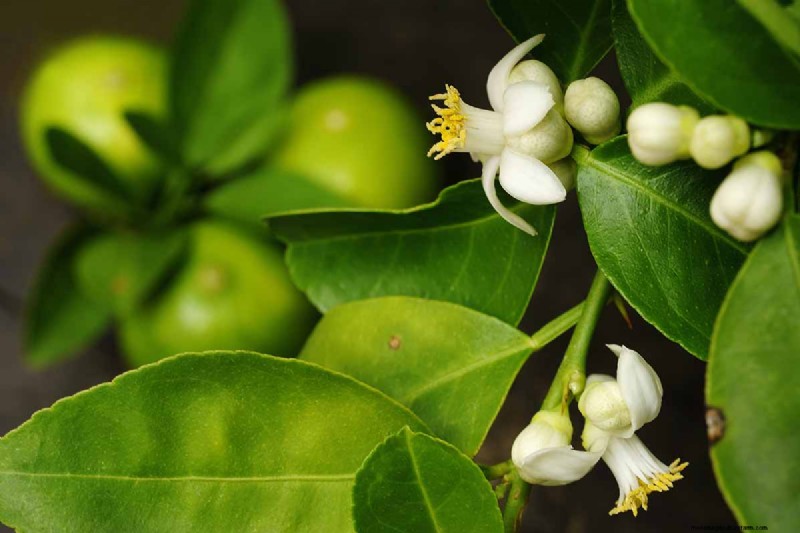
カクテル、デザート、甘いサラダ、カニのプレート、冷たいスープ、魚や鶏肉のプレート、スフレ、アイスクリームなどに加えてください。
柑橘類の花とカニのサラダを食べたことがないなら、あなたは生きたとは言えません!実際、柑橘系のフレーバーが入っていておいしいものは、代わりに繊細な花をいくつか加えても同じくらいおいしくなります。
17.クローバー
ミツバチはクローバーが大好きですが、一部の庭師はクローバー (トリフォリウム) のパッチを見るのを恐れます。 spp.)の裏庭にあります。気分がどうであれ、可憐な小さな花は一口食べる価値があります。
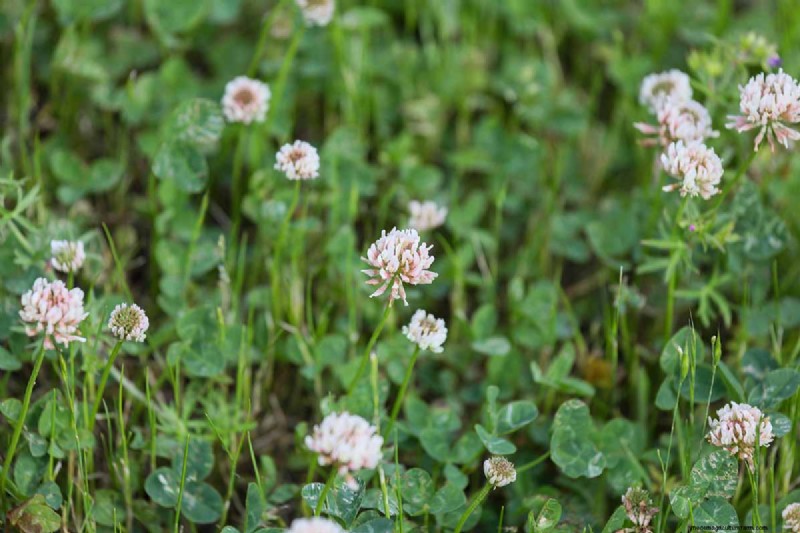
写真:クリスティン・ロフグレン。
一度味わったらきっと虜になると思います。それは、甘くて蜂蜜のような風味があり、多くの子供たちが花を摘んで蜜を吸うときに利用するからです。
他のハーブと同様に、花を洗った後は乾燥させることができます。そうすれば、冬の間ずっと楽しむことができます。
ただすでに茶色くなっている花は摘んで使用しないでください 。あまり美味しくありません。
クローバーは、お茶にしたり、卵に乗せたり、バターに混ぜたり、パンに焼いたり、サラダに乗せたりするとおいしいです。
18.コーンフラワー
コーンフラワー (エキナセア) spp.) は北米の宝物です。
彼らは薬効の驚異であり、観賞用のスターであり、多作の栽培者でもあり、他の一般的な園芸種を枯らす可能性のあるほとんどの問題には影響を受けないようです。
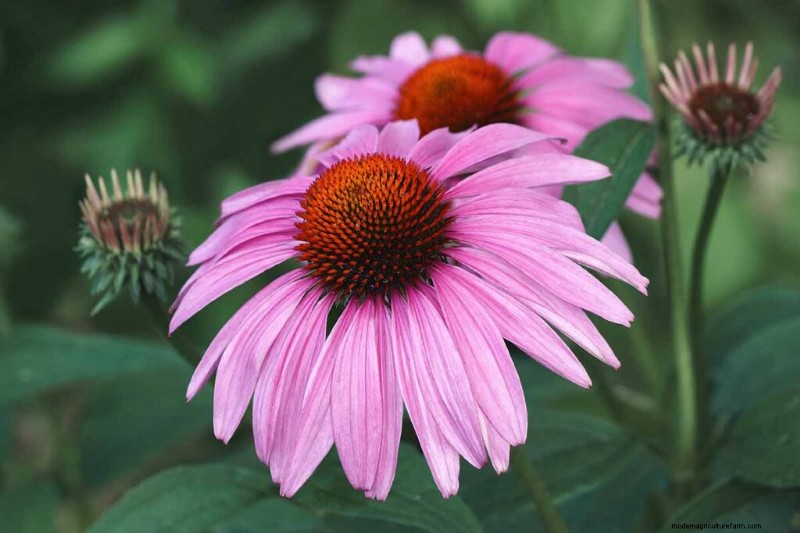
すべてのエキナセアの花びら 種は食用であるだけでなく、個人的にはおいしいと感じます。誰もが同意するわけではありません。
確かに少し苦く、非常にスパイシーで花のような風味があります。 「フレグラント エンジェル」などの香りのよい花を持つ品種は、花びらの苦みが少ないです。
Green-headed coneflower – ショーチャンまたはルドベキア・ ラシニアタとしても知られています。 – 厳密にはエキナセアではありませんが、これまでで最もおいしい種です。 「コーンフラワー」の一種。
これらの植物は「コーンフラワー」という共通名を共有しているだけでなく、実際にはキク科の同じ部族であるヒマワリ科に属しており、非常に近縁です。
チェロキー族は何世紀にもわたってこの種のコーンフラワーを食べてきました。探してみる価値は十分にあります。
花びらを頭から摘み取り、スープやサラダ、特にパンツァネラなどの強い風味に耐えられるものに入れます。
冬の寒さを吹き飛ばす強壮剤としてエキナセアの根をチキンスープに入れる人がたくさんいますが、私は花の味を味わえるのが好きです。
私は、食べる前にたくさんの花びらを上に乗せたタイやメキシコのチキンスープが大好きです。
優れたインスタントポットのメキシカンチキンスープのレシピをお探しの場合は、姉妹サイト Foodal をご覧ください。 .
近縁のクロアイドスーザンの花は食べないでください。 (R. ヒルタ )。根は食用ですが、花や種子の頭は避けてください。
花びらには毒性はありませんが、食べるとアレルギーを起こす人もいますし、味もあまり良くありません。種子の頭部には軽度の毒性があります。
コーンフラワーの栽培について詳しくは、こちらをご覧ください .
19.コスモス
すべてのコスモスが食べられるわけではありません。実際、硫黄コスモスに固執する必要があります。 そしてC.尾部
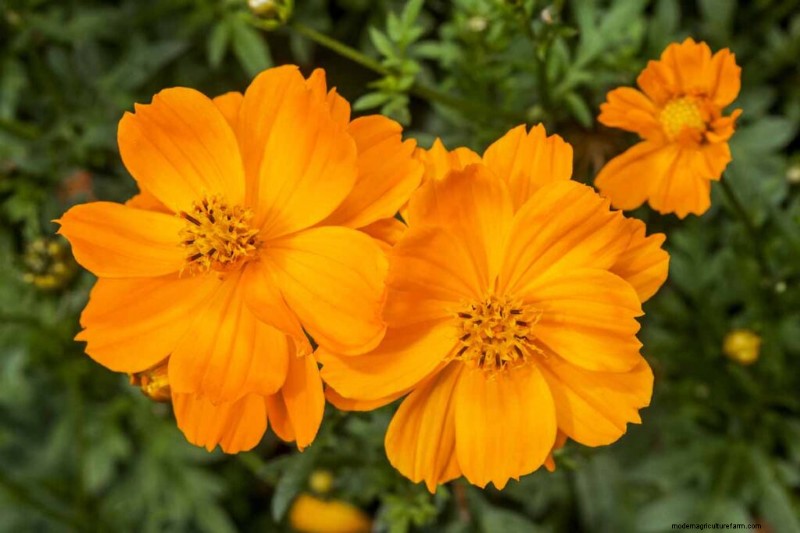
それらはわずかに異なるフレーバーを持ち、最初のフレーバーはハーブやレタスのような味がしますが、2 番目のフレーバーはイチゴやマンゴーとは似ていない甘くてフルーティーなフレーバーを持っています。
頻繁に消費されるインドネシアではC.尾部 ケニキルとして知られています。マレーシアでは「ウラム・ラジャ」と呼ばれ、「王様のサラダ」という意味になります。私にとっては正しいと思います。
コスモスとその育て方について詳しくは、こちらをご覧ください .
20.ダリア
誰かが私に初めてダリア、ダリア・ ピンナタを食べるように言ったのです。 正確に言うと、彼らは私をからかっているのだと思いました。あんなに大きくてドラマチックな花が、おいしいものになるはずがない。
結局のところ、私は正しかったのですが、私の友人も正しかったのです。私が試した種は最高のものではありませんでしたが、その後の数年間で、信じられないほど素晴らしいものをいくつか手に入れることができました。
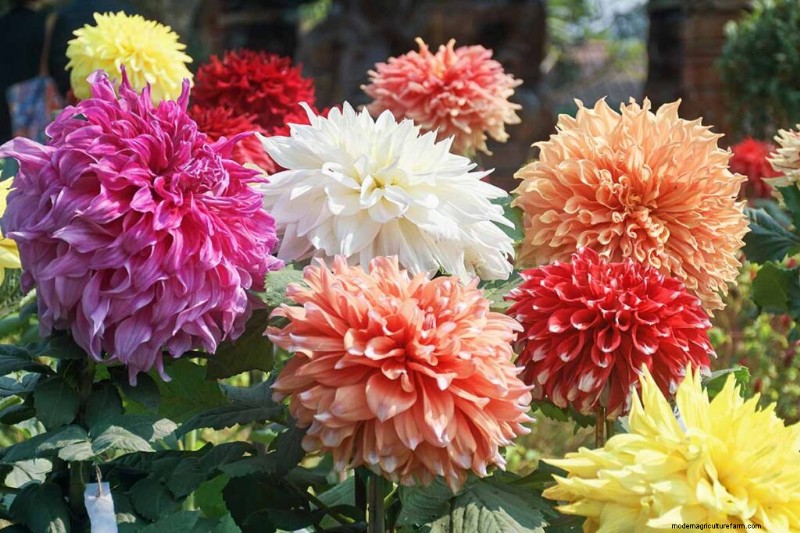
ダリアはヒマワリやキクイモの仲間です。 。すべての種は食用であり、中には素晴らしい風味を持つものもあります。
それらは、私たちが今日知っている美しい姿に品種改良されるずっと前に、南米で食用作物として栽培されていました。
素晴らしい味のダリアを見つけるのは試行錯誤の問題です。いくつかは素晴らしいもので、花のヒシの実のような味がします。
他のものはもう少し当たり障りのないものですが、確かに不快なものではありません。これまでの私のお気に入りはD です。コクシネア – 根と花を味わいましたが、どちらも素晴らしかったです。
しかし、それを制限しないでください。ダリアのどの種にも、風味豊かな品種や交配種が生まれる可能性があります。
実際、お気に入りの人を見つけたら、その情報を広めてください。どの品種が一番おすすめかをコメント欄でお知らせください。
パリッとした新鮮な食感は、チーズプレートやサラダにコントラストを加えます。
また、魚料理やパスタ料理のカラフルなトッピングとしても非常に印象的です。花びらを刻んでサルサソースにしたり、ご飯の飾りに使ったりしましょう。
ダリアの育て方ガイド 栽培手順を提供します。
21.デイジー
これらの「永遠の美しさ」 – それがヒナギクの学名であるベリス ペレニスです。 意味 – つぼみが出た瞬間から花びらがしおれ始めるまで食べられます。
実際、蕾は開いた花より苦みが少なく、タンポポの蕾と同じように漬けて「ケッパー」を作ることができます。
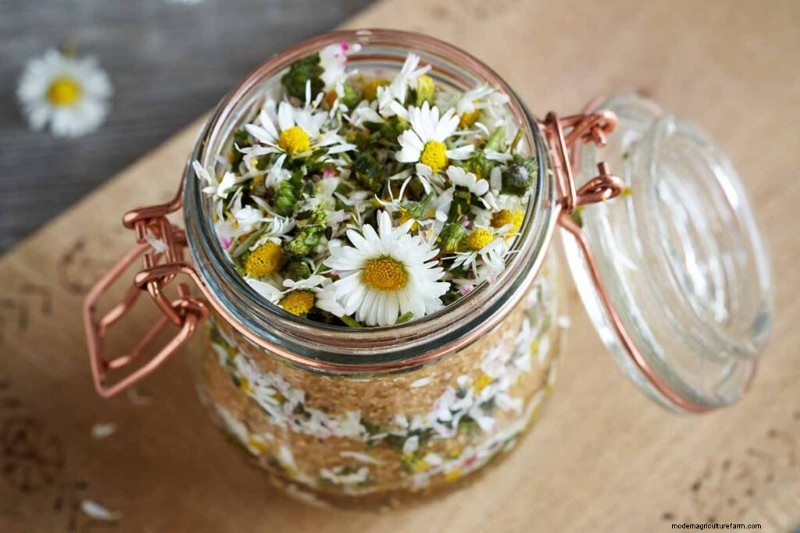
私はカッテージチーズ、ほうれん草のディップ、サラダに花を和えるのが好きですが、配合バターや砂糖漬けにしても美味しいです。
多くの植物に「デイジー」という一般的なあだ名が付けられていることに注意してください。
シャスタ (レウカンセマム) などの植物 × 素晴らしい ) 、ガーバー (ガーベラ ) 種) 、 そしてモントーク デイジー (Nipponanthemum nipponicum) ) 本物のヒナギクではないので、食べられません。
22.タンポポ
葉は食用として注目を集めがちですが、タンポポ (タンポポ) もぜひ与えてください。 spp.) も同様に開花します。
収穫したら、冷水または室温の水に数分間浸して、花序に隠れている可能性のある昆虫を追い出します。
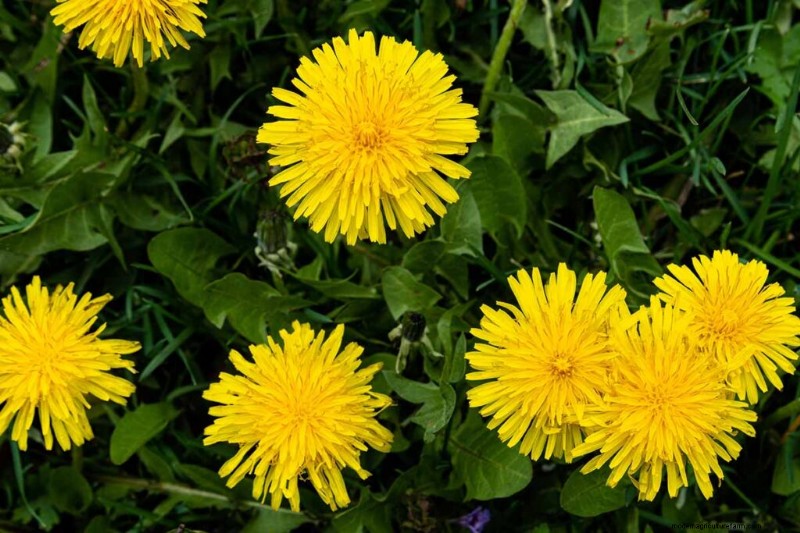
タンポポは非常に多用途です 。コンパクトな緑色の蕾を摘み取り、ピクルスにして「ケッパー」を作ります。
または、芽を塩、コショウ、バターで和えて数分間炒めて、キノコに似た味のおやつを作ります。
花はタンポポの注入シロップを作るために使用できます。
花びらを摘み取り、冷水で軽く洗った後、同量の水とグラニュー糖を混ぜたものを鍋で沸騰させて砂糖を溶かし、シンプルなシロップを作ります。
火から下ろし、花びらを加え、混合物を鍋に入れたまま、または耐熱性の金属またはガラスのボウルに移して冷ましながら浸します。
カバーをして室温で24時間放置します。濾して密閉瓶または瓶に入れて冷蔵庫で最長 1 週間保存します。
花をほうれん草のように調理したり、新鮮なままサラダにトッピングしたりすることもできます。私は、甘みを高めるために、大きな花を切り刻み、緑色の部分を取り除くのが好きです。
小さい花は丸ごと使用できます。
もちろん、タンポポ酒を作ったり、花を刻んでオムレツに使ったり、スープの付け合わせにしたり、お茶にしたりすることもできます。
23.カンゾウ
カンゾウ (ヘメロカリス) spp.) は派手で印象的なディスプレイになりますが、技術的には食べられるものの風味があまりない花とは異なり、非常においしいです。
十分に優れているので、食用として育てる価値があると思います。ディスプレイは単なるおまけです。
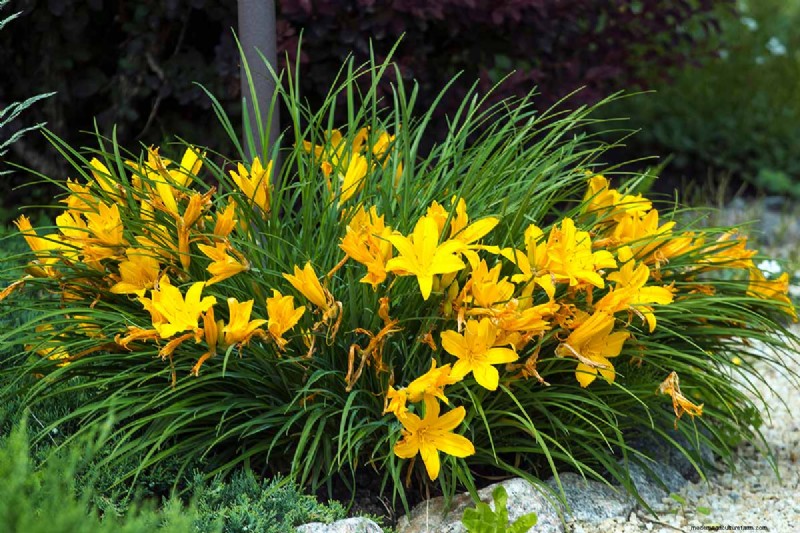
食用のカンゾウ。
朝、花が開いたら摘み取ります。花びらはインゲンのような味がします。 蜂蜜と黒胡椒を少々加えました。
めしべやおしべは食べないでください。有毒ではありませんが、不快な食感と風味があります。
ジューシーな花びらをピクルスにし、肉や魚のトッピングとして使用したり、刻んで卵やサラダに加えたりします。かぼちゃの花を潰すように、詰め物や衣を入れて揚げます。
考えただけでよだれが出てきます…最初に、必ず雌しべとおしべをそっと引き抜いてください。
ただし、 カンゾウを本物のユリ (ユリ) と混同しないでください。 種) 、これは有毒です!葉を見て、どれがどれであるかを判断してください。
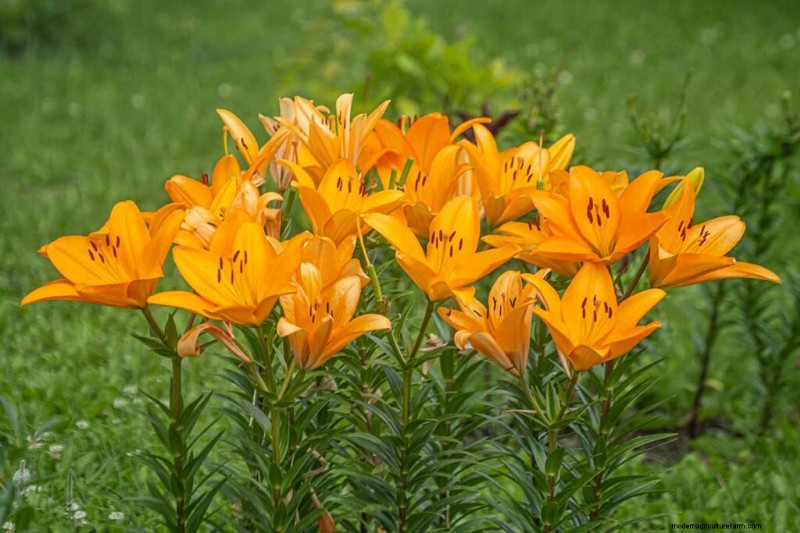
このアジアのハイブリッドは真のユリですが、 これらの花は
そうではありません 食用。
カンゾウには、土壌ラインから出てくる長くて平らな葉があります。植物には複数の茎もあります。ユリには 1 本の茎があり、らせん状の葉が茎を上っていきます。
カンゾウについて詳しくはガイドをご覧ください .
24.ニワトコの花
食用、薬用、観賞用のいずれの目的で栽培しても、天国のような香りの白いニワトコの花 (セイヨウニワトコ) の房は、 spp.)はとても甘いお菓子です。甘いブドウのような味がします。
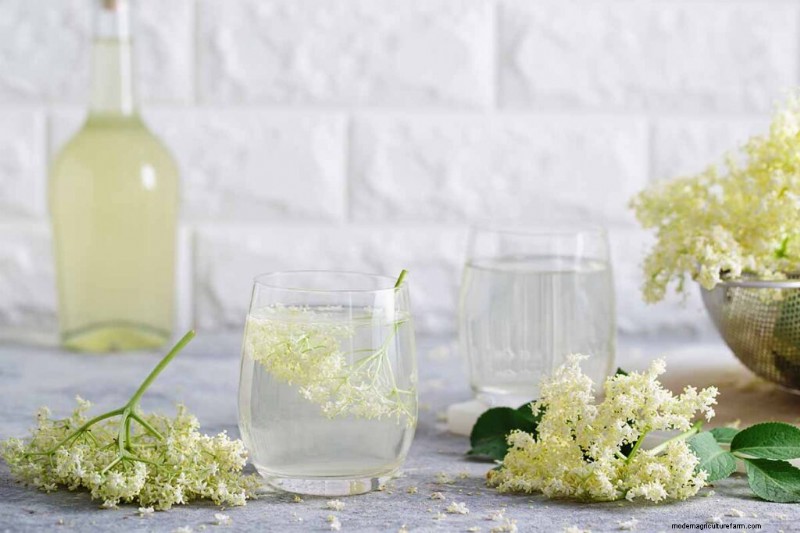
もちろんワインに作るのが一般的ですが、パンケーキやフリッターのトッピングにしたり、衣をつけて揚げたり、アヒルや鶏肉の付け合わせとしても使えます。
花を収穫するときはタイミングに注意する必要があります。長く待ちすぎると、各房の花の一部がすでに色あせて茶色になり、まったく美味しくなくなります。
まず、すべての花が開いていることを確認します。外側から始めて中心に向かって成熟していきます。
使用前に冷水で優しく洗い流し、乾燥させてください。摘み取るとベリーを逃してしまいますが、味わう価値はあります。
エルダーベリーの栽培ガイドをご覧ください .
25.月見草
確かに、薬用オイルで有名ですが、月見草 (マツヨイグサ) )も完全に食用です。つぼみは生または調理して、花びらは生で食べます。種も食べることができます。
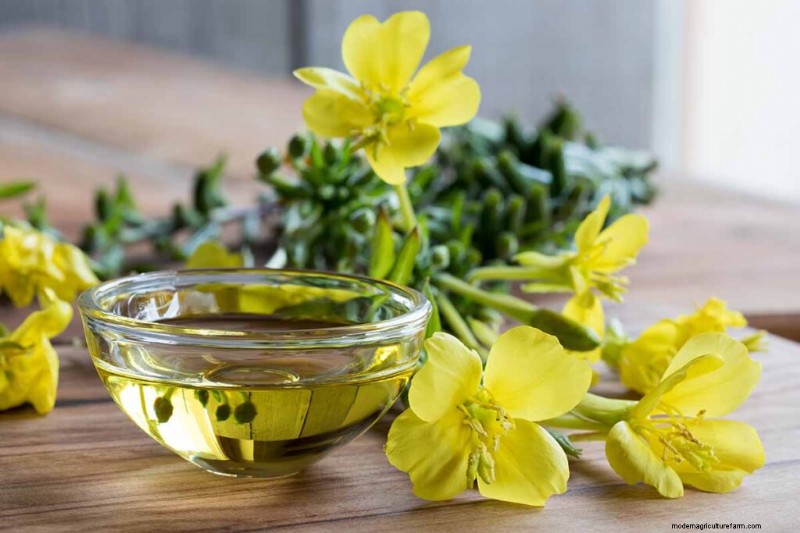
花びらには柑橘系の蜂蜜のような風味があり、クッキー、ケーキ、ショートブレッド、パブロバなどの甘い料理に最適です。
庭で月見草を育てたい場合は、 ガイドをご覧ください .
26.忘れな草
ネズミの耳のように甘くて小柄 – 属名のミオティス ギリシャ語で、ワスレナグサの小花 (ミオティス) を意味します。 spp.) は可愛すぎて忘れられません。
スターバックスのワスレナグサ フラペチーノを飲んだことがあるなら、それらの味はまったく似ていません。実際の花には、わずかにフローラルでビターな香りがあります。
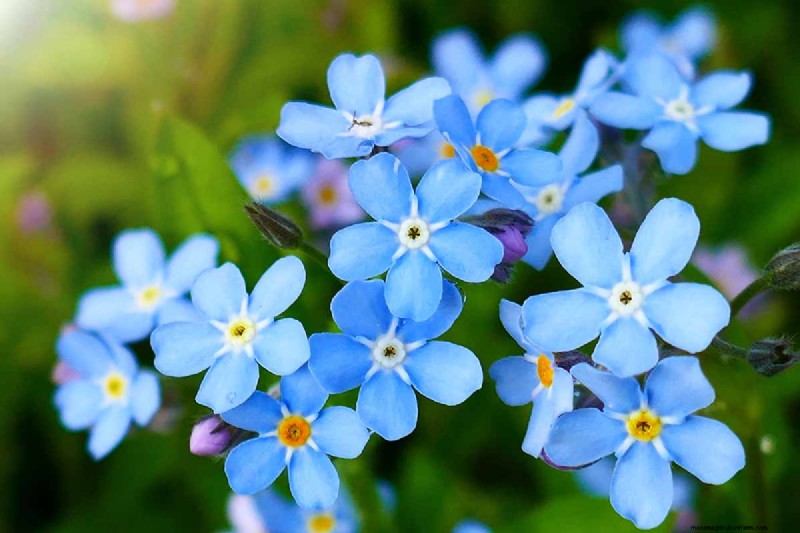
砂糖は苦味の一部を隠してくれるので、砂糖漬けにしてデザートのトッピングに使用するのが最適です。
忘れな草の詳細については、こちらをご覧ください .
27.レンギョウ
春が来てレンギョウ (レンギョウ) が開花すると、安堵のため息をつくかもしれません。 spp.) が風景を照らします。
というのは、陰鬱な冬がもう終わったことを意味するからです。しかし、その鮮やかな花びらは、レンギョウをむしゃむしゃ食べる時期の到来を告げるものでもあります。
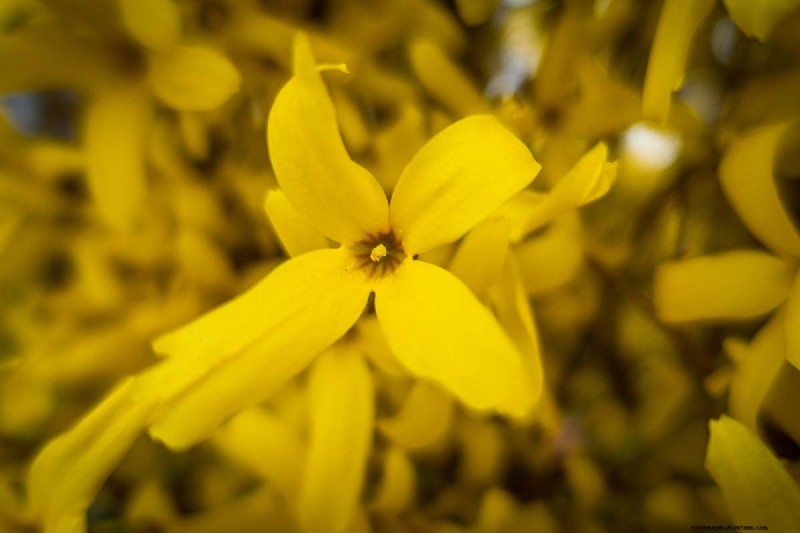
穏やかな花の味があり、他のものを圧倒することはありませんが、色はまろやかな風味を補うのに十分に印象的です。
シロップ、フレーバーハチミツ、注入オイル、ジャム、ゼリーを作るのに使用したり、サラダにトッピングして彩りを加えたりすることができます。
栽培手順については、レンギョウ栽培ガイドを参照してください .
28.フクシア
フクシア (フクシア) spp.) は食用に最適な花の一部です。 、私の意見では。ベリーも素晴らしいです。
植え付け、収穫、食事に特化したガイドも用意しています 、試してみるのに最適な品種も含まれます。
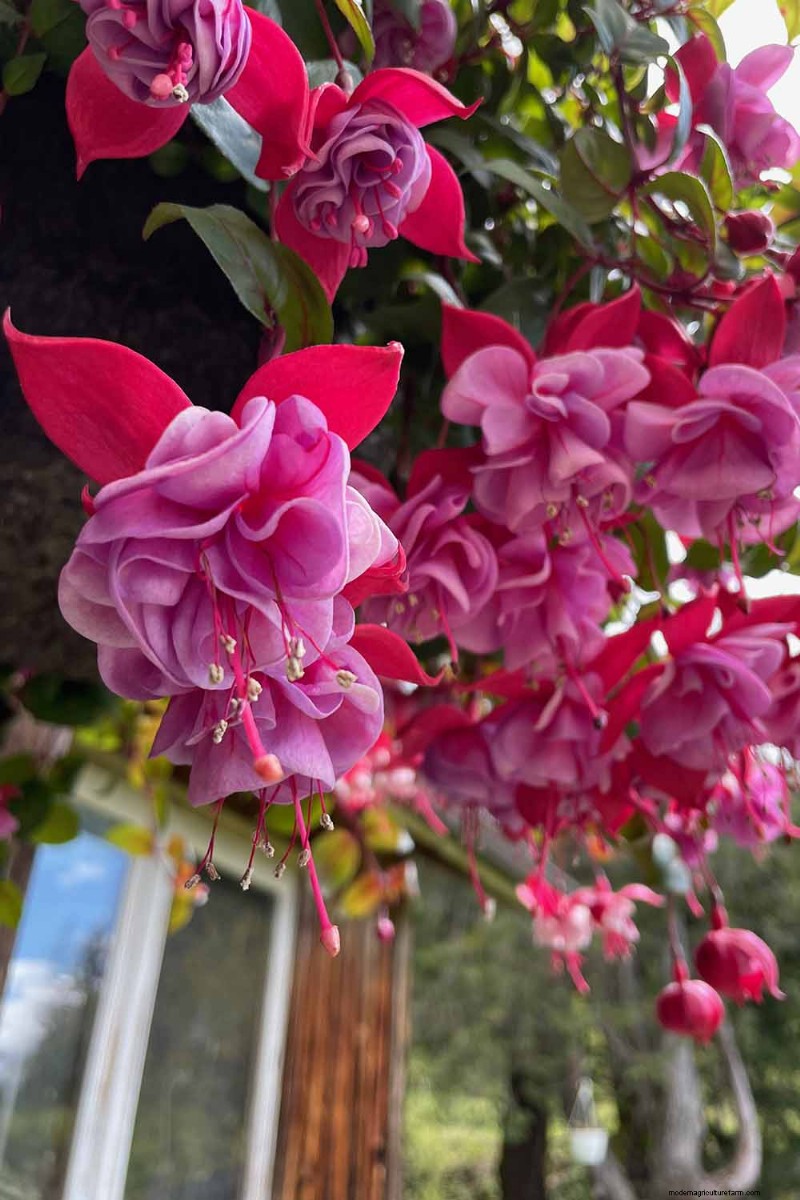
写真:Kristine Lofgren 氏。
一部の種は他の種よりも優れた風味を持っていますが、それらはすべて食用であり、どれもおいしいです。
サラダやスープのトッピングとして、食べる直前に加えるこの花はとても美しいので、これに勝るものはありません。ご飯のおかずや飲み物の付け合わせとしてもお使いいただけます。
29.クチナシ
豪華なクチナシ (クチナシ) spp.) は天国の小さなスライスのような香りがし、味も同じくらい美味しいです。
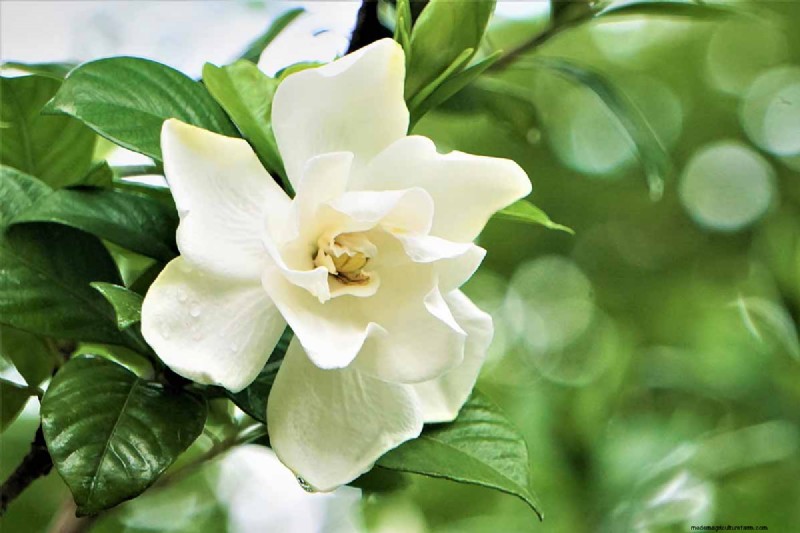
かつてはコサージュや結婚式のディスプレイで使用されることで有名でしたが、蜂蜜のような甘い花は、ピクルスにしたり、砂糖漬けにしたり、フリッターのように衣をつけて揚げたりすることができます。
蜂蜜を注入したり、アイスクリームに入れたり、メレンゲの上にホイップクリームを添えたり、炒め物に加えたりすることもできます。
クチナシの栽培について詳しくは、ガイドをご覧ください .
30。ゼラニウム
香りの良いゼラニウム (ペラルゴニウム) 種) 味は香りほど良くありませんが、どの品種が一番好みかを試す価値は間違いなくあります。
花の中には、飾りとして使ったり、お皿に香りを加えるのに適したものもありますが、信じられないほどおいしい花もあります。
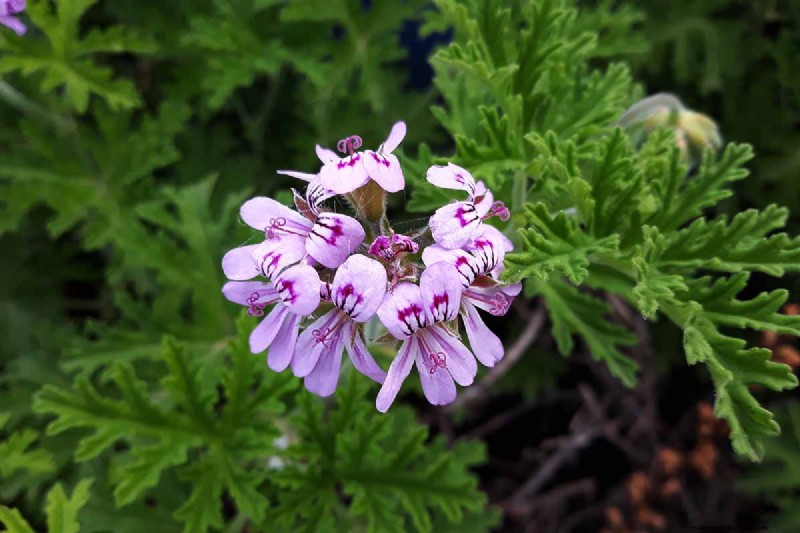
柑橘系の品種は魚料理や肉料理に最適ですが、バラの香りの品種はデザートに最適です。
クレインズビル ゼラニウム (ゼラニウム カロリニアナム) ) 根から花まで食用にもなりますが、香りのよいものほど美味しくはありません。
帯状のゼラニウムの花 (P.) x ホルトルム ) are edible as well. But give them a taste before you commit to using them in a recipe, because the bitter flavor isn’t to everyone’s liking.
31. Gladiolus
Gladiolus (Gladiolus spp.) tastes a lot like romaine lettuce but these blossoms are a whole lot prettier in the garden.
This flavor profile makes them perfect for use in salads, but you could also toss them in lettuce soup or add them to sandwiches for some bold color.
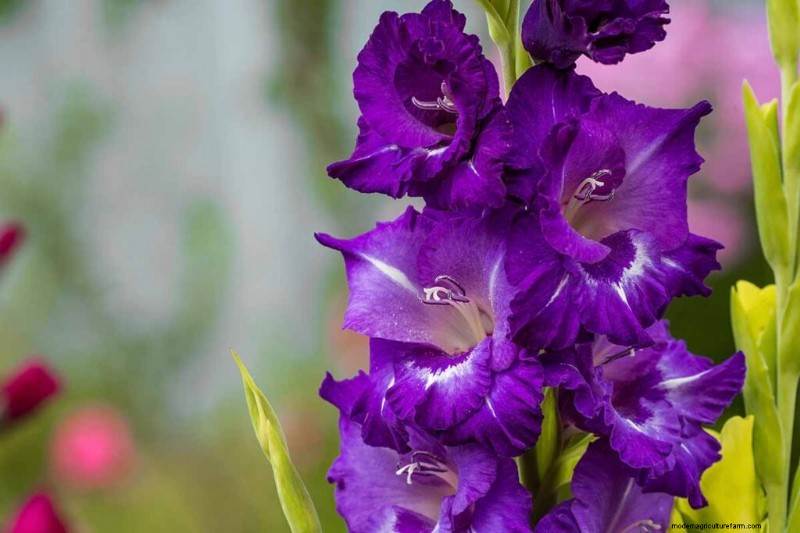
Even better, stuff them as you would squash blossoms. Try shredded chicken, tuna, egg, cheese, or anything else that strikes your fancy.
Just imagine a plate full of orange, maroon, purple, and salmon-colored gladiolus being passed around as appetizers at a party. They’re impressive.
Be extra careful to wash these flowers gently because they can become crushed or ripped quite easily.
Learn more about growing gladiolus in our guide .
32. Hawthorn
These are my least favorite to harvest of all the blossoms on this list, thanks to the tree’s gnarly thorns, but hawthorn (Crataegus spp.) flowers are quite flavorful.
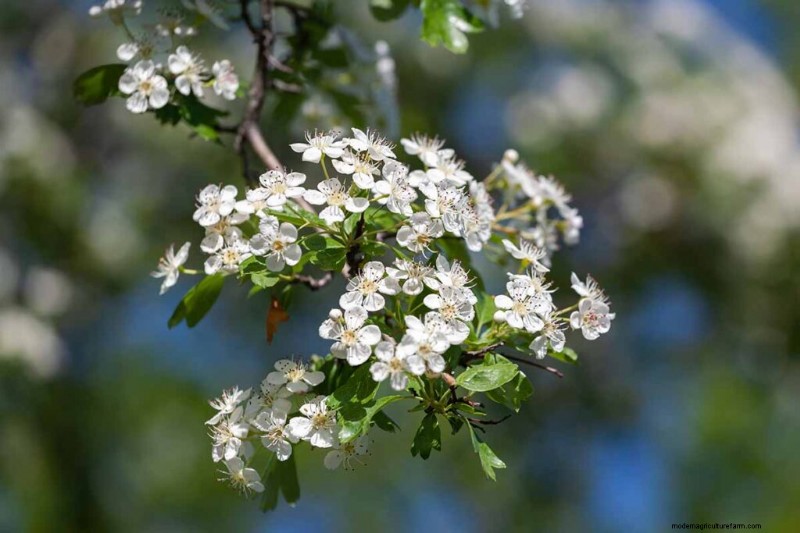
You should only eat the flower buds or the young, recently opened flowers, never the older blossoms that are turning brown.
And as just a brief aside on hawthorn fruit – don’t even think about eating the seeds inside the berries since they’re poisonous. The flesh of the berries, however, is fine to consume.
Young hawthorn flowers and buds have a similar flavor to crabapple blossoms, which are lightly floral.
Learn more about hawthorn care here .
33. Hibiscus
One of the few flowers that can stand up to cooking, Hawaiian hibiscus, also known as rose mallow or Hibiscus rosa-sinensis , has a tart flavor that is oh-so-refreshing.
If you’ve ever had Jamaica tea then you know what I’m talking about.
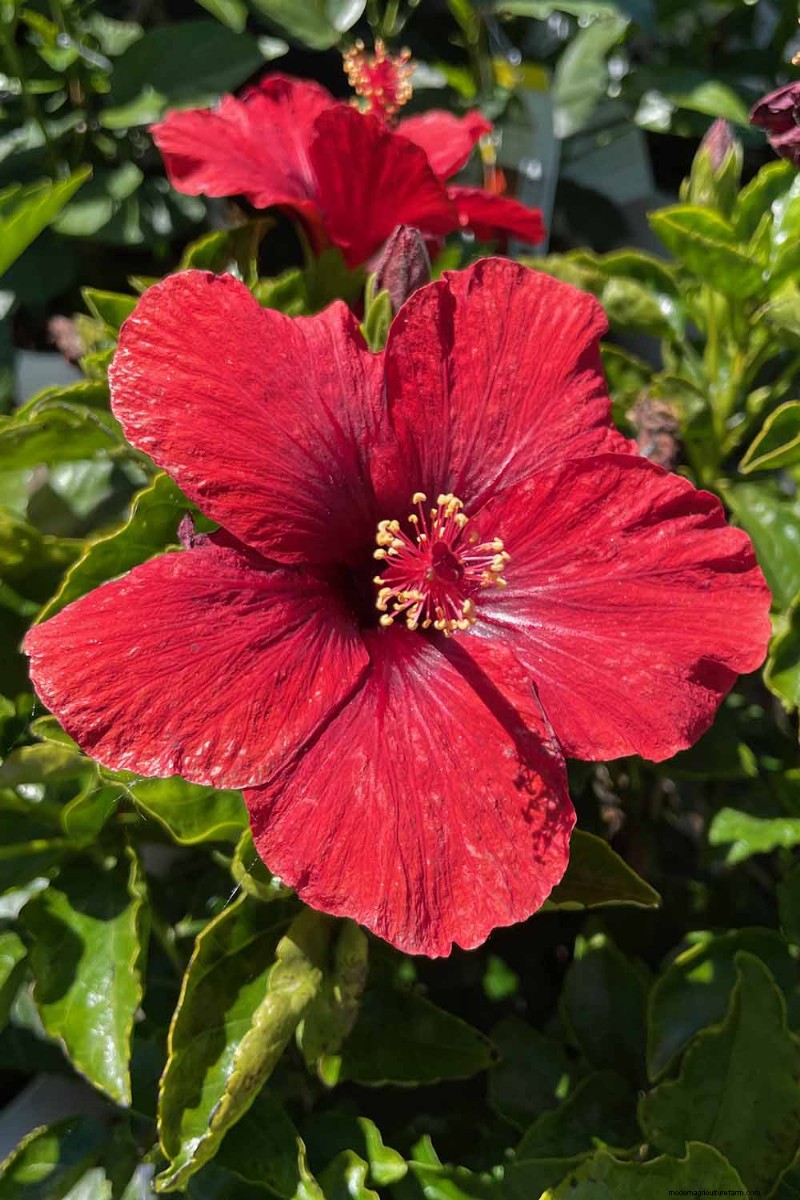
Photo by Kristine Lofgren.
All perennial hibiscus species are edible, but H. rosa-sinensis and H. sabdariffa are the best tasting.
Cook them in quesadillas, enchiladas, or taquitos, toss them in salads and cocktails, bake them into tarts and pies, or make them into jam.
Our guides provide cultivation instructions for hardy hibiscus and tropical hibiscus .
34. Hollyhock
Hollyhocks (Alcea spp.) have been around for an extremely long time, and they’re one of the earliest recorded cultivated flowers.
People in their native Asia and Europe munched on them and used them as ornamentals in the garden simultaneously.
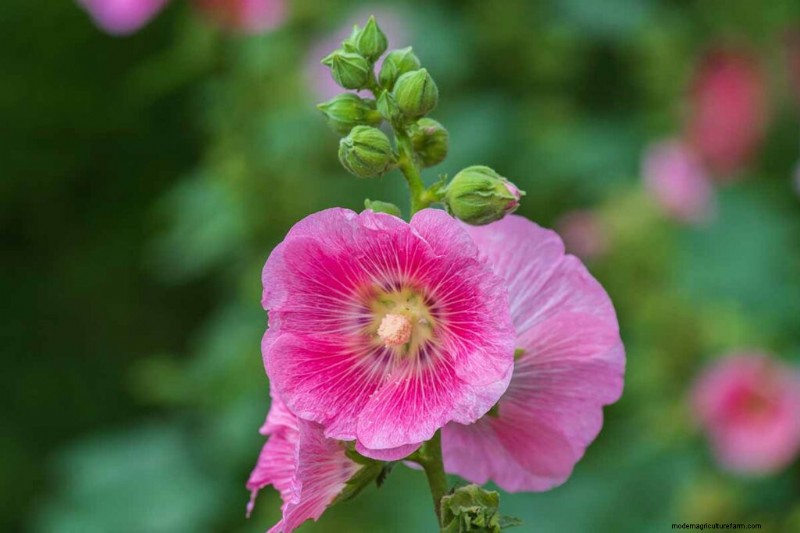
Remove the seedy center and use them on salads, in cocktails, on desserts, or to garnish a cheese plate.
Learn more about hollyhocks in our growing guide .
35. Honeysuckle
If you ever sucked on the ends of honeysuckle blossoms (Lonicera spp.) when you were a kid, then you know just what you’re in for.
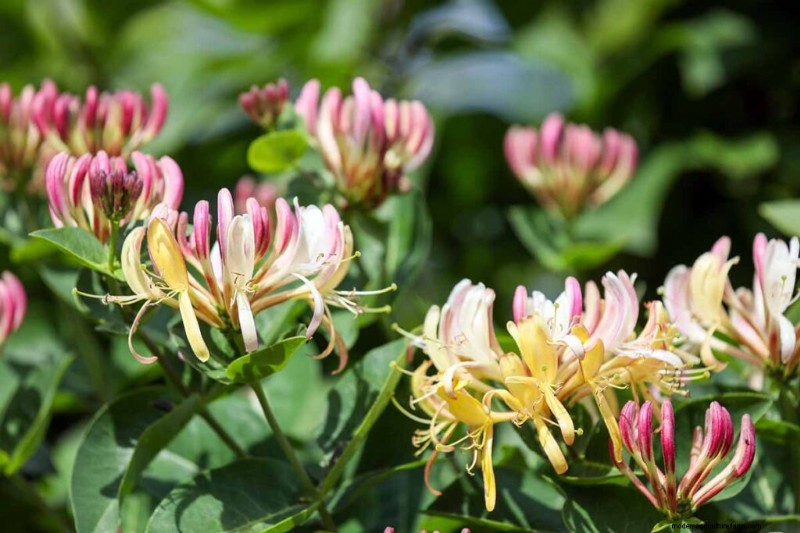
Photo by Kristine Lofgren.
Honeysuckle is sweet, floral, and yes, similar to honey in flavor. The flowers are wonderful for infusing tea or honey, and tossed on desserts or into salads.
Consult our growing guide to learn how to cultivate honeysuckle .
36. Hosta
A lot of people don’t realize how beautiful hosta (Hosta spp.) flowers can be , and even more people don’t know that they’re edible – as are the young shoots of the plant.
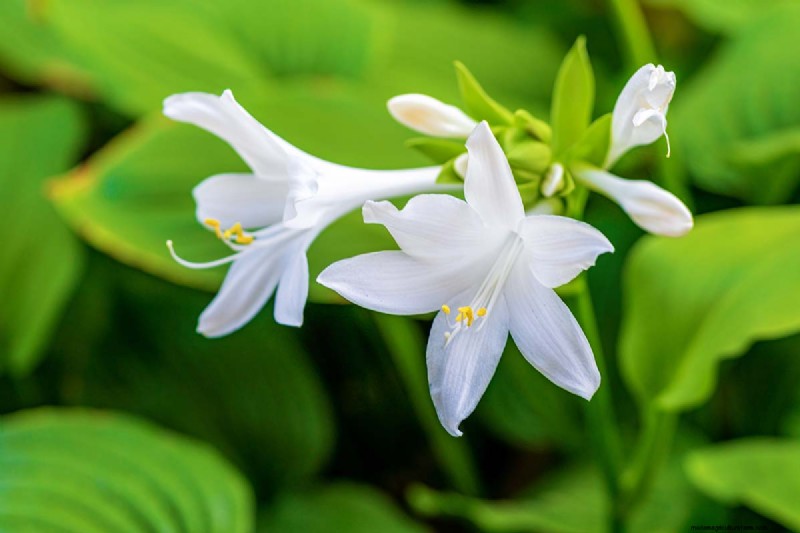
I wouldn’t say that they’re worth cultivating solely for the edible flowers, however, since they’re pretty mild. But they’re not at all bitter, and they have a subtly sweet, floral flavor.
Learn more about cultivating hostas here .
37. Impatiens
Impatiens walleriana are a standard in shady garden spots, but they should also be more popular in the kitchen.
Flowers of this species are most commonly referred to simply as impatiens, or sometimes as busy Lizzies.
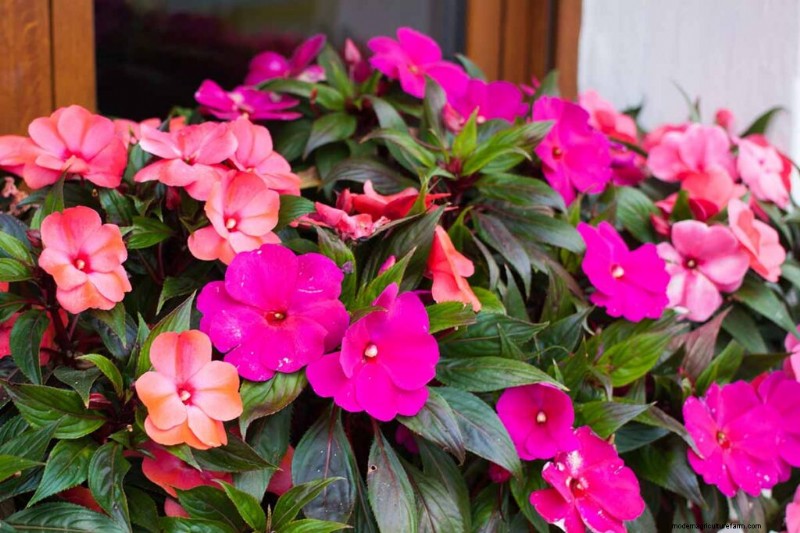
The petals are surprisingly sweet and crisp. They’re just perfect for cocktails, desserts, salads, and sandwiches.
Don’t eat any other Impatiens species.
Some, like jewelweed , are edible but should only be consumed if they’ve been cooked. It’s easier to just stick with the good old garden classic we know and love for this genus.
Learn about how to grow impatiens here .
38. Jasmine
There are lots of different types of jasmine out there but only Arabian jasmine (Jasminum sambac ) is edible.
Every other species is poisonous, so you have to be absolutely, 100 percent sure that you’ve got the right one.
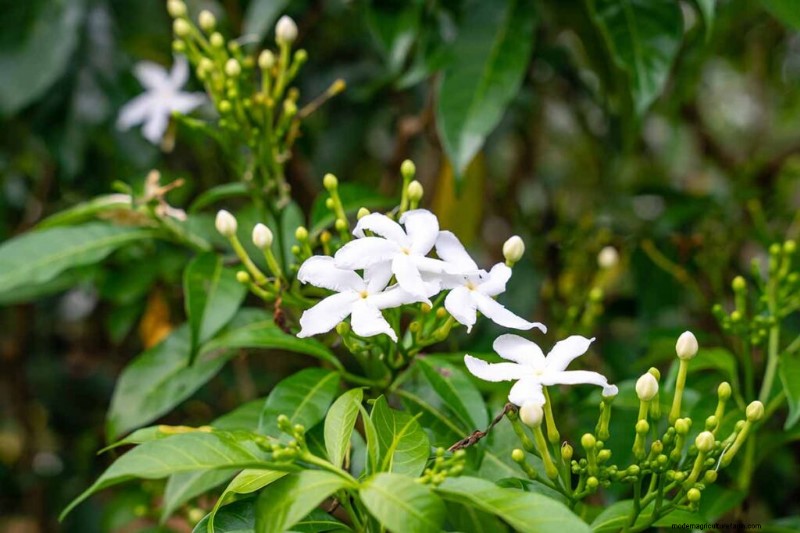
So long as you have the correct plant, you can enjoy the pungent blossoms sparingly as a garnish, or in syrups or cocktails.
The flowers are pungent and they can overpower your senses.
Check out our guide to growing jasmine to learn more.
39. Lavender
I’ll warn you in advance, lavender (Lavandula spp.) should also be used sparingly. It isn’t bad for you, but the flavor is bold.
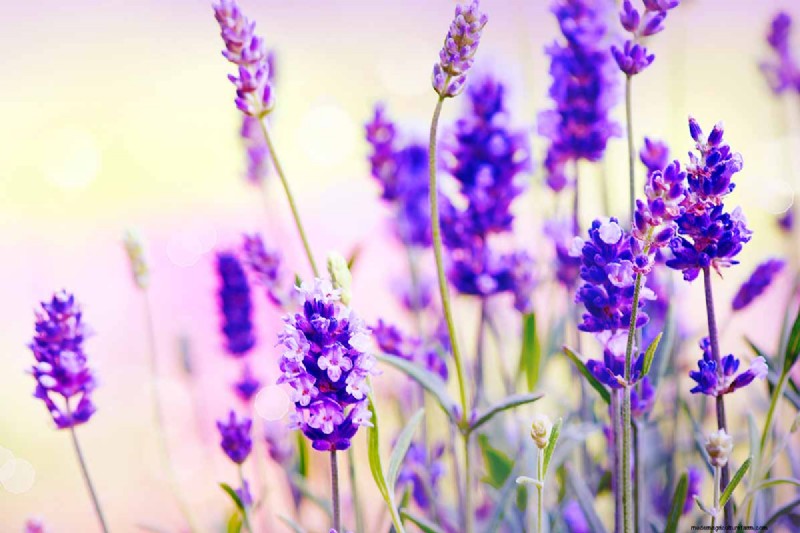
You know that pungently floral, spicy fragrance of the flowers? They taste just like that. That’s why so many people prefer them candied, since the sweetness cuts down on the spice.
Lavender tea is marvelous, and as many people already know, the candied flowers are an edible floral staple.
But be a little more creative! Use lavender in cocktails, fruit salads, and on desserts, to make jams and jellies, or in pies.
Then, try the blooms rubbed onto beef as part of a spice blend, chopped finely and added to a sauce for lamb, or tucked in around a roasted chicken before serving.
Our guide to growing lavender provides full cultivation instructions.
40. Lemon Verbena
You already know that you can eat the leaves of lemon verbena (Aloysia citradora ), but the blossoms taste just as good, if not better.
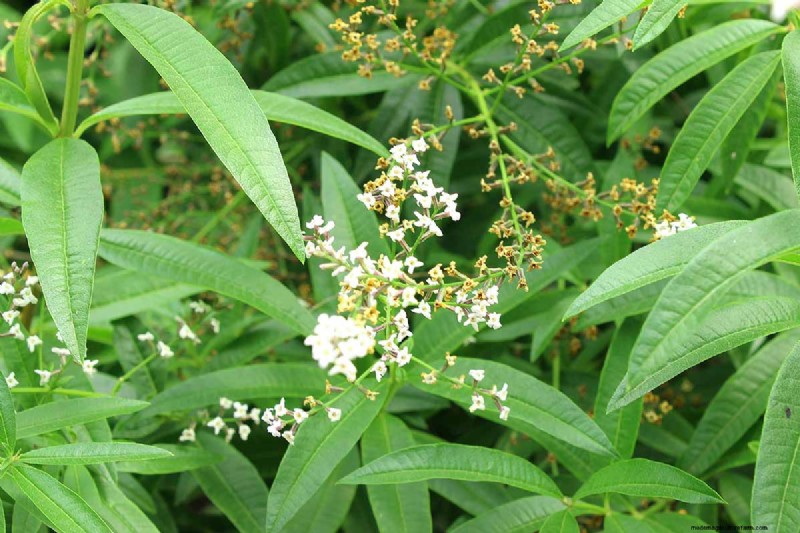
They have a similar flavor with an added floral hint. Use them liberally in cocktails and desserts.
Learn more about lemon verbena here .
41. Lilac
Lilacs (Syringa spp.) taste just like they smell:pungently floral and sweet.
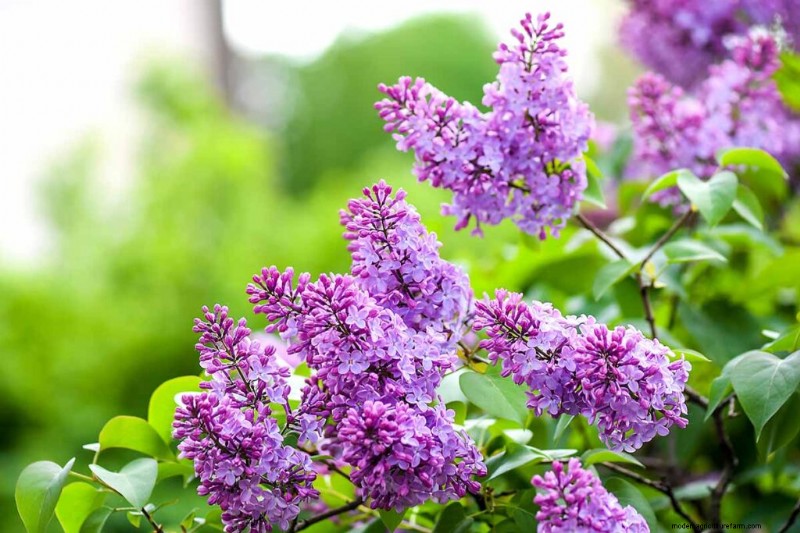
Every spring, I stuff lilac blossoms into a mix of equal parts sugar and water, and cover it with a cotton cloth.
Then, I agitate the mixture every day for a few days. Next, I strain the liquid and seal it with a lid.
After a few days, the yeast on the flowers causes the liquid to ferment. Voila, you have a naturally fizzy drink with a marvelous flavor!
You can also candy these flowers or use them on desserts.
Learn more about lilacs in our growing guide .
42. Linden
Gardeners seem to have a love-hate relationship with linden trees (Tilia spp.). They can be messy, but my goodness, the flowers smell incredible! And you can eat them, too.
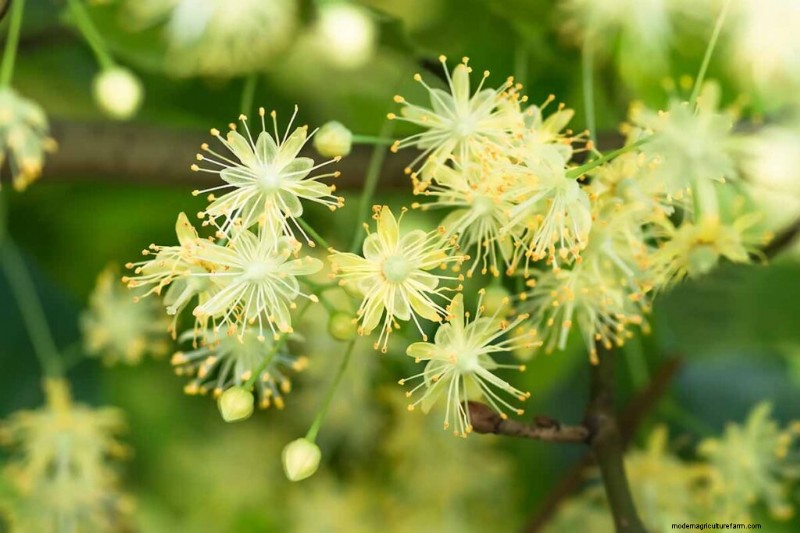
Gather them soon after they open, before they start to turn brown. Use them to garnish desserts or cocktails.
Learn more about growing linden trees here .
43. Lotus and Water Lily
These close relatives look and taste very similar. Many people eat the roots of lotuses (Nelumbo spp.) and water lilies (Nymphaeaceae family), but the flowers are edible as well.
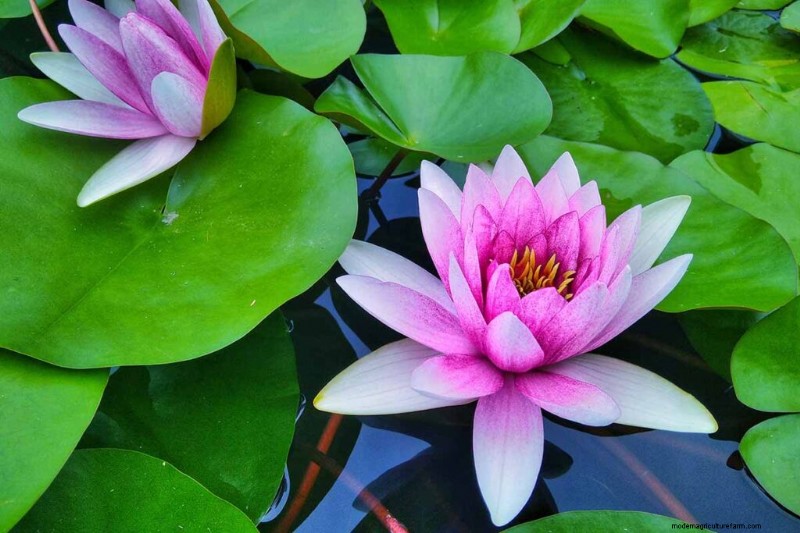
Remove the sepals and stamen and then stuff the honeydew-flavored flower with anything your heart desires, like cream cheese, dip, or pickled veggies.
You can batter and fry them, chop them to add to soups and salads, or just use them as a garnish.
44. Magnolia
Magnolia blossoms (Magnolia spp.) are edible, but there’s a lot of debate about which type tastes best.
Some people swear the ones with pink petals are the way to go, while others say the magenta and white ones are superior.
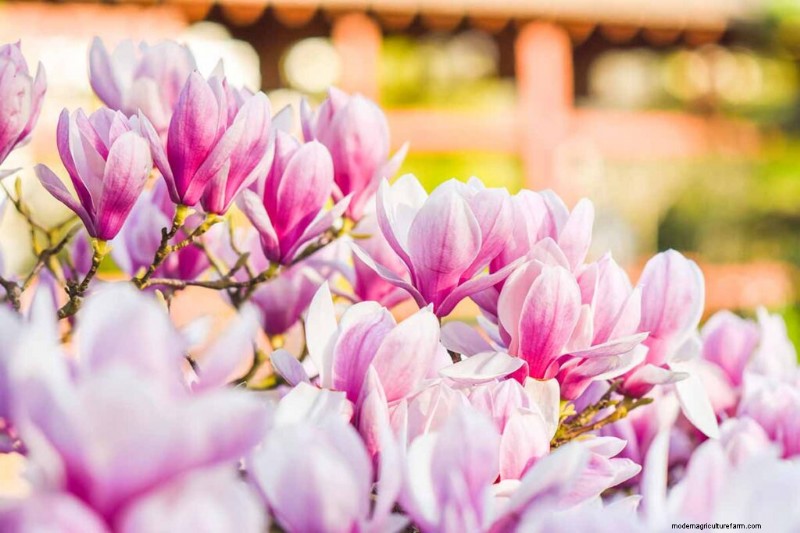
I say, just take a nibble of whatever you have access to and decide if it’s for you or not.
The darker the color, the more bitter the flavor becomes. White is more citrusy, and pink has hints of cardamom.
The petals are excellent pickled and can be used to replace pickled ginger, since the blossoms also have a ginger-like flavor.
Check out our guide to growing magnolia to learn more.
45. Mallow
Mallow (Malva spp.) is a unique addition to the kitchen in that we don’t usually eat these plants for their flavor, but for the texture they provide.
You can add the mucilaginous leaves to soups as a thickener.
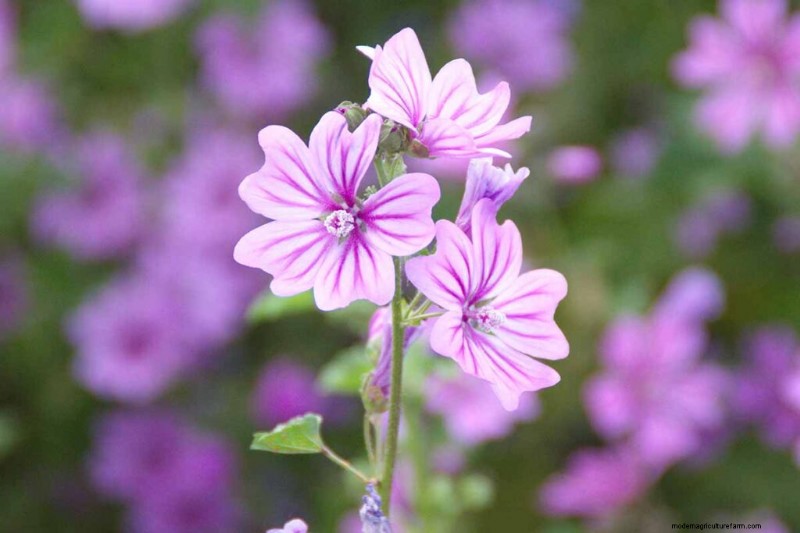
The petals are also flavorful either cooked or raw, but test out the texture first before you go all in.
The viscous mouthfeel can be off-putting to some people, but the mild flavor makes this flower ideal when you want something similar to tofu that will absorb any flavor you pair with it.
Use it anywhere you would use okra, in soups, salads, or stir-fries.
46. Marigolds
Of all the species on this list, marigolds (Tagetes spp.) might be the most versatile.
The petals are perfect in breads, rice, stews, soups, cakes, and drinks, as well as egg, fish, chicken, beef, or veggie dishes.
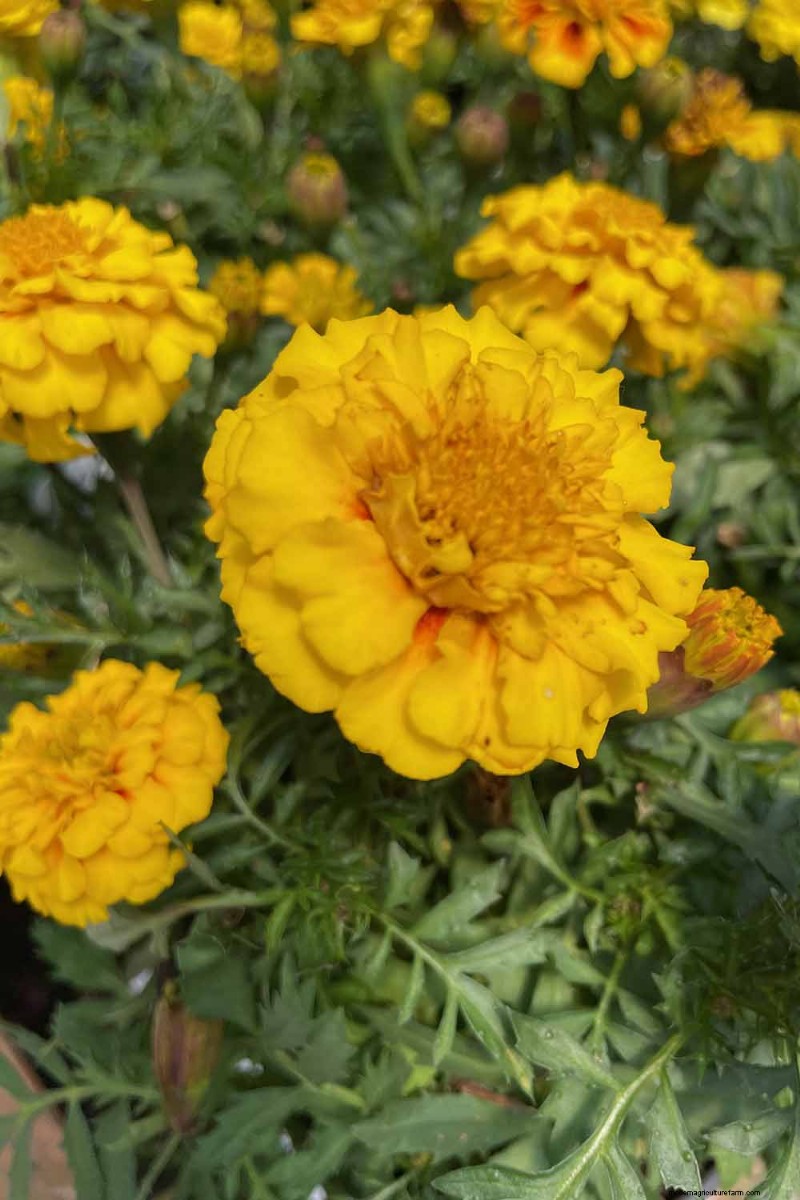
Photo by Kristine Lofgren.
They can be pickled with vegetables, added to compound butter, and used to garnish cocktails. And don’t forget their appeal in sandwiches, fish salads, and custards!
The dried leaves can also be used as a saffron substitute to add color to cooked dishes.
We have a whole guide available to help you use and enjoy these classic beauties .
And to learn how to grow marigolds, check out our guide .
47. Mint
We all know that mint leaves (Mentha spp.) are incredible, but how often do we actually eat the flowers?
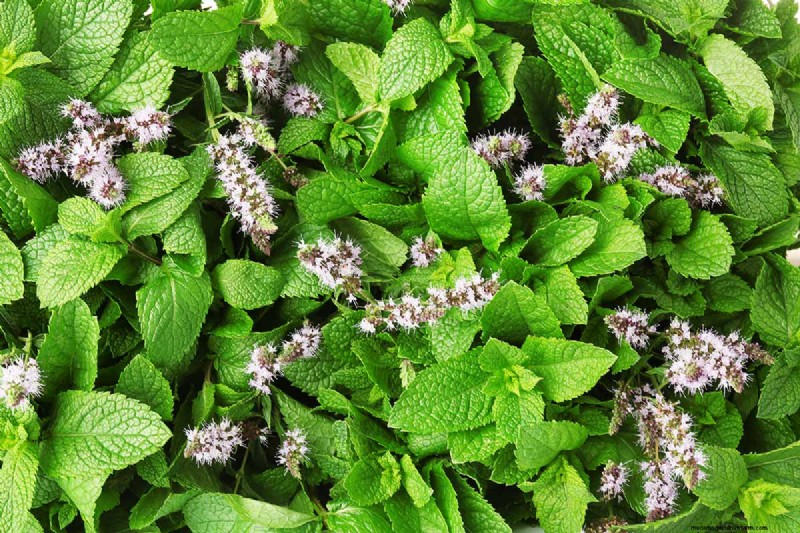
Not often enough, I say! Use them anywhere you’d use mint. They have a similar flavor with a hint of floral goodness that I think makes them taste even better than the famous leaves.
They’re a bit of a pain to prepare since you have to carefully pop each flower off of the stem individually, but once you have a small handful, you have a game-changing ingredient available to garnish drinks, desserts, salads, and soup.
Seriously, try a palmful on a bowl of cucumber and milk or yogurt soup and tell me it didn’t blow your mind. Our sister site Foodal has a recipe worth checking out.
You always read in gardening guides about how you should trim any flowers off of your mint plants, but I say save them and put them to work in the kitchen!
Learn more about growing mint in your herb garden here .
48. Nasturtium
If watercress and honey had a baby, it would be nasturtium (Tropaeolum spp.).
And that’s not a surprise, given that this plant was once considered a type of cress until Linnaeus reclassified it in the eighteenth century.
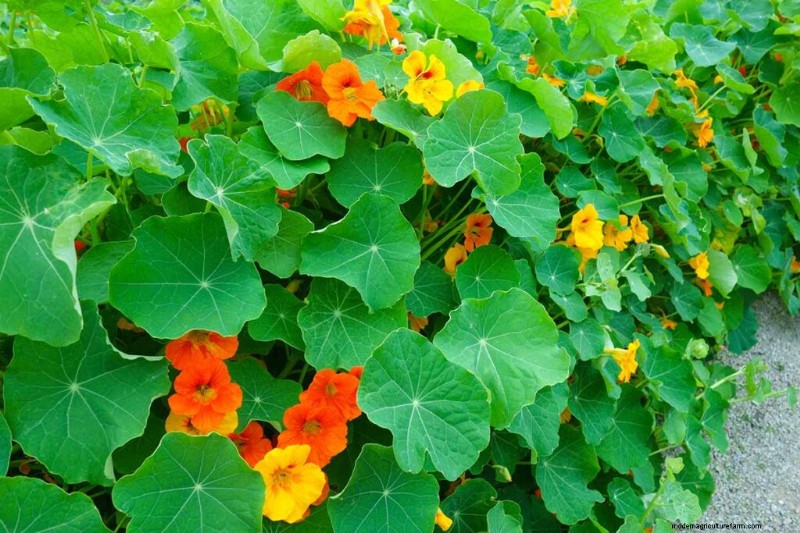
These flowers should be eaten fresh, and they don’t dry well. They also don’t cook well and taste bitter once they start to wilt.
For that reason, add them to warm dishes like omelets, quiche, fish, veggies, and soups immediately before serving.
Otherwise, use them in cool dishes like salads, sandwiches, and desserts.
Broccoli and brussels sprouts become much more interesting when drizzled with melted butter infused with nasturtium blossoms.
Add the blossoms to the jar when pickling veggies, use them as tiny lettuce-like wraps, or make a pesto.
Find more ideas and tips in our guide to eating nasturtiums , and if you need growing info, you can find it here .
49. Orchid
Orchids can be a little hit and miss when it comes to edibility, and there are many varieties out there. But if you stick with Dendrobium species, you’ll be in good shape.
These are the ones you can often find packaged at stores and sold for use in cooking. The flowers are firm and crisp with a flavor similar to endive .
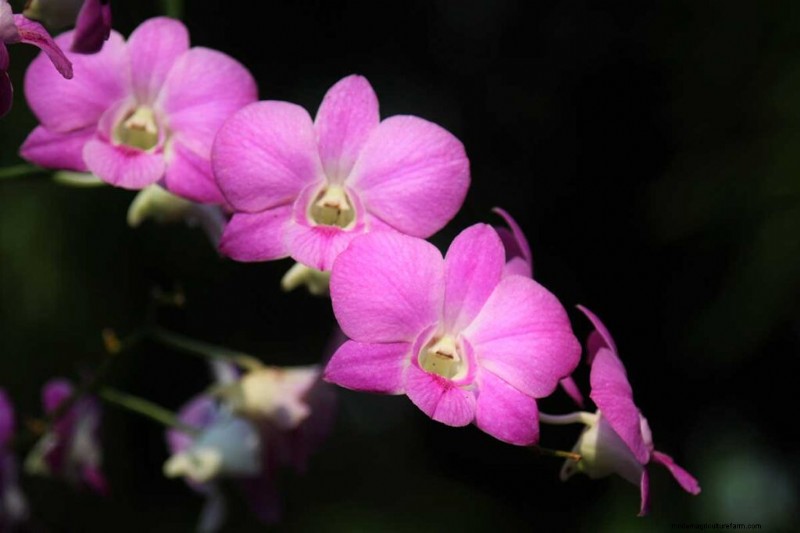
They’re a hit battered and fried, but they’re also lovely in cocktails, in salads, or dipped in sugar for a sweet treat.
Want to learn more about orchids? Our guide has you covered .
50. Pansy
Most pansies (Viola tricolor 変数hortensis ) don’t have much flavor on their own. They’re best candied, or simply used as eye candy.
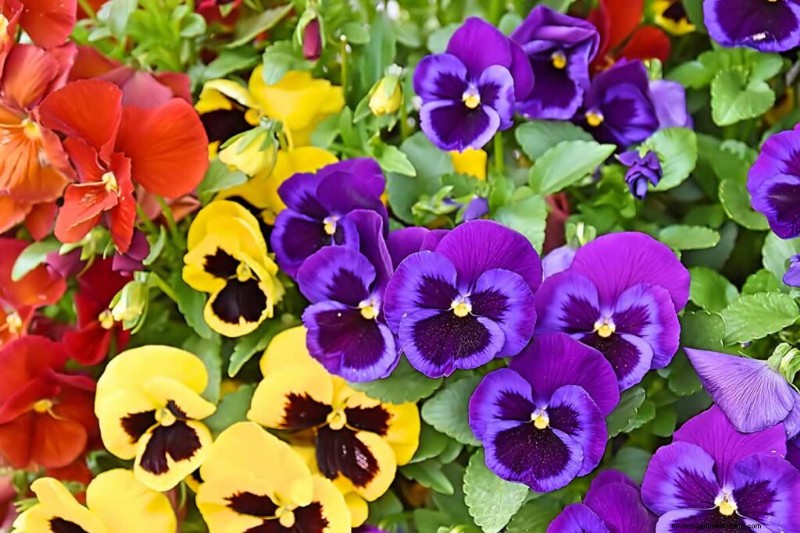
I think this is a shame, because they used to be much more flavorful than they are now.
Breeders have been focused on making prettier blossoms rather than tastier ones, but don’t let that stop you from using them in your desserts or salads if more for the color than anything else.
Though it’s mostly concentrated in the edible leaves and stems, if you hunt down Viola x wittrockiana , this hybrid still has the wintergreen flavor that makes violas real winners as edible blossoms.
It comes from methyl salicylate in the plant. If you pull the petals and just use them, they’ll have more of a mild, grassy flavor.
You can learn how to grow pansies here .
51. Passionflower
Passionflowers (Passiflora spp.) are so funky and alien-looking that you might be a little nervous to chomp down on one, but don’t be timid.
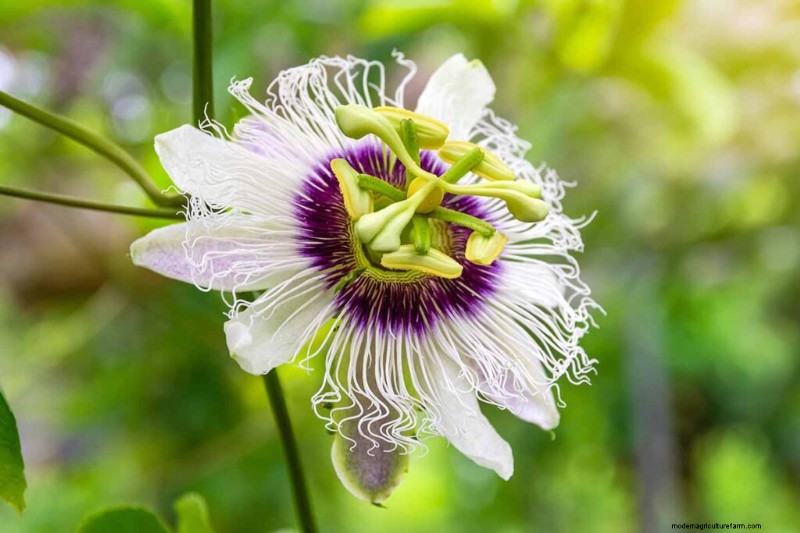
The petals have a tart, sweet flavor and are beloved in tea, both iced and hot.
You can also use the petals to make a cordial as described above for lilacs, or chop them to use on desserts.
Learn how to grow passionflower here .
52. Peas and Beans
Flowers from any type of edible pea plant (Pisum sativum ) can be consumed, as well as some types of ornamental peas like blue butterfly (Clitoria ternatea ).
True pea flowers taste a lot like… wait for it… peas! Blue butterfly pea has a distinctly chamomile-like flavor.
Blue butterfly blossoms are intensely blue, but if you mix them with an acid like lemon or vinegar, they turn the solution purple. You can use it to color or add flavor to dishes or cocktails.
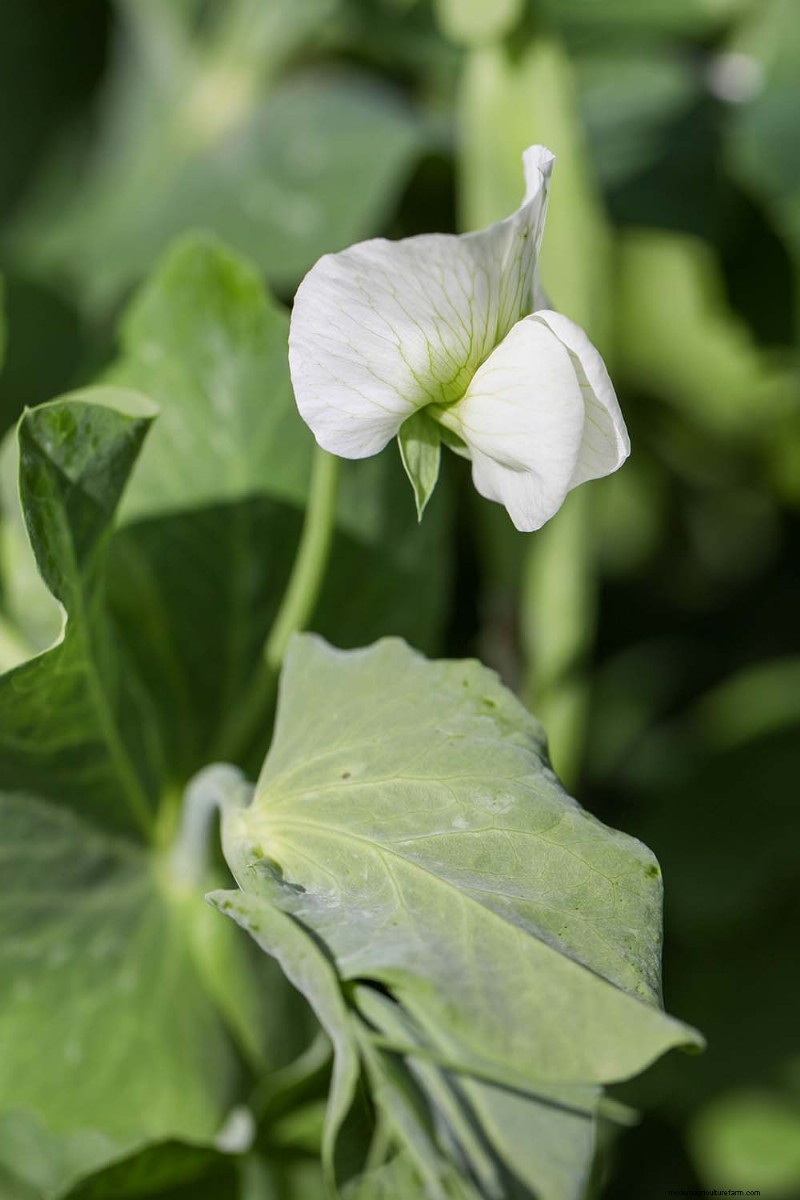
Photo by Kristine Lofgren.
Toss true pea blossoms into any dish that you’d use peas in, from stir-fries and soups to salads and sandwiches.
Similarly, bean and some other types of legume flowers from the Phaseolus , Lens , Cicer , and Glycine genera have a distinctly beany flavor.
I think Great Northern and lima bean flowers are particularly delicious, and beans produce blooms in a variety of colors from white to pink to red to purple.
Don’t eat ornamental bean or pea flowers like sweet peas (Lathyrus odoratus ) – the blooms as well as the pods and seeds produced by these plants are poisonous.
Mung beans in the Vigna genus should also be avoided.
53. Peony
If peonies (Paeonia spp.) merely looked lovely, they’d still be well worth growing in the garden. But they also happen to be edible and they’re delicious .
Depending on the variety, they may have a sweet, fruity, or slightly spicy flavor.
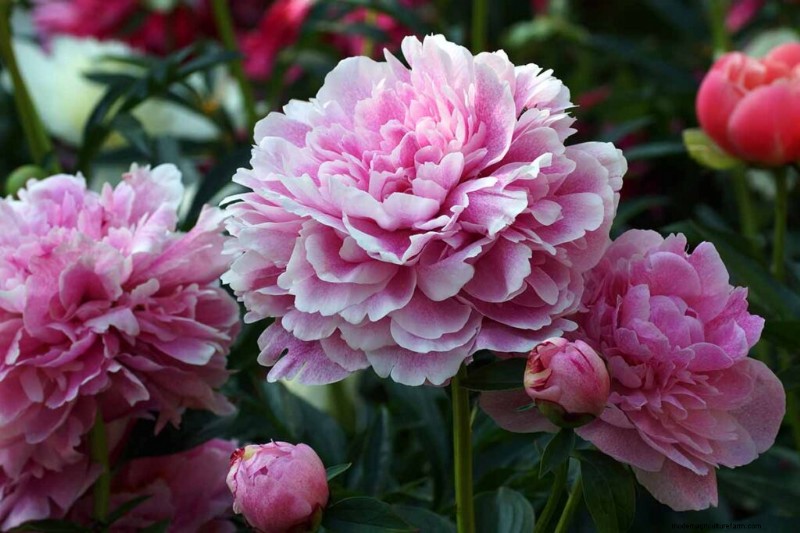
You can cook them, though they’re better blanched rather than thoroughly cooked, and they may also be consumed raw.
Sweeter types are best in desserts and cocktails, while spicier types are fantastic in salads and tossed as a garnish on soups.
Check out our guide to learn how to grow peonies .
54. Phlox
Don’t confuse the edible variety here with creeping phlox 。 Only the tall perennial species also known as garden phlox or fall phlox (Phlox paniculata ) is edible.
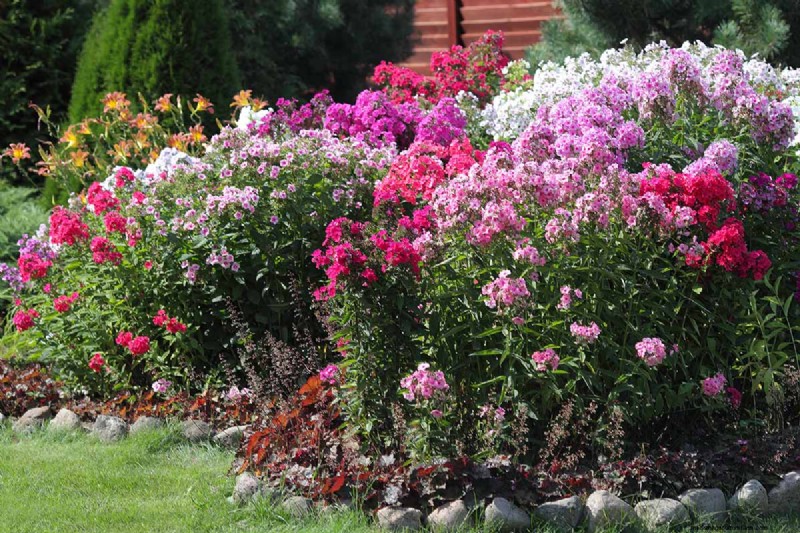
The flowers are sweet with a spicy bite and they are best used fresh in salads or on sandwiches.
55. Pommes and Stone Fruits
Crabapple and apple (Malus spp.) , pear (Pyrus spp.) , peach , cherry , and plum (Prunus spp.) , you name it. They’re all edible and most of their blooms taste great.
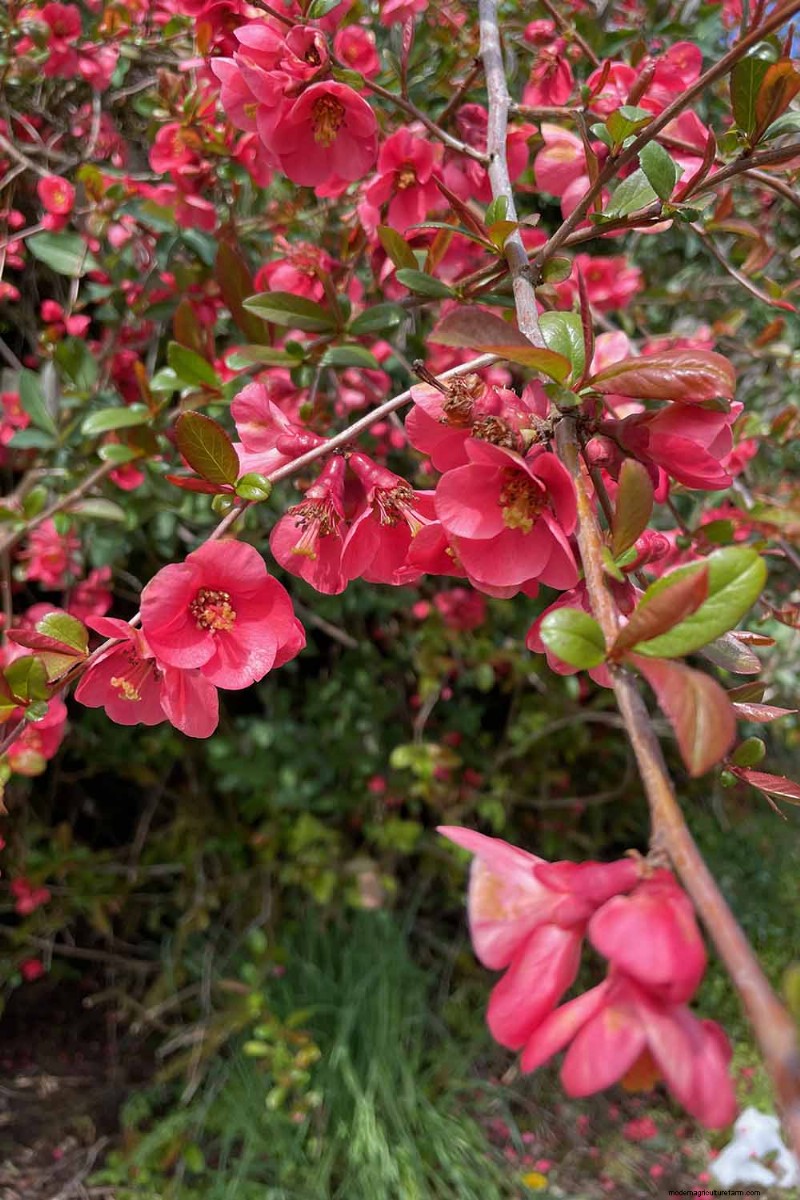
Photo by Kristine Lofgren.
Apples are the most cherished because they have the sweetest, most floral flavor, reminiscent of honeysuckle.
And quince (Cydonia oblonga ) blossoms taste nothing like the cooked fruits you may have tried. They’re tart and astringent, like the raw fruits, but still delicious.
Reserve flowers from these types of fruit trees and shrubs for sweet dishes such as fruit salads, desserts, and candying.
Make sure to trim away any woody bits, the calyx, and the stamens. You only want to use the petals.
56. Primrose
Welcoming the spring with their cheery blossoms, primroses (Primula vulgaris ) are famously fragrant and decorative, but it’s still kind of a secret that they’re also delicious.
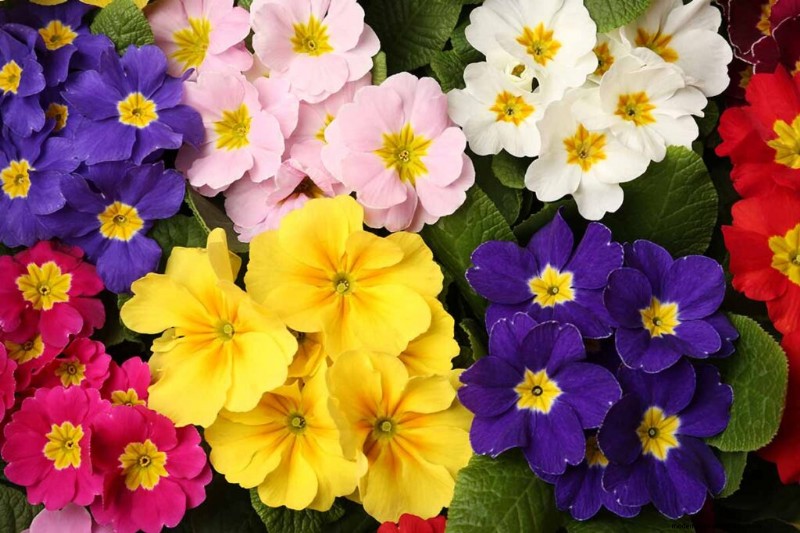
Some have a pleasantly mild flavor, similar to spinach. Others have a touch more bitterness and spice, sort of like arugula .
They can be used either raw or cooked in savory and sweet recipes.
I think their pale yellow coloring makes them ideal as a salad or soup garnish or to top rice dishes. You’ll also see some varieties in white or pink.
57. Rose
The hips are popular in cosmetics or for making tea and who hasn’t enjoyed catching a whiff of a rose-scented perfume, candle, or lotion?
We know roses (Rosa spp.) are pretty and they smell good , but we should really be chowing down on those petals more often. Depending on the type, they’re usually delicious!
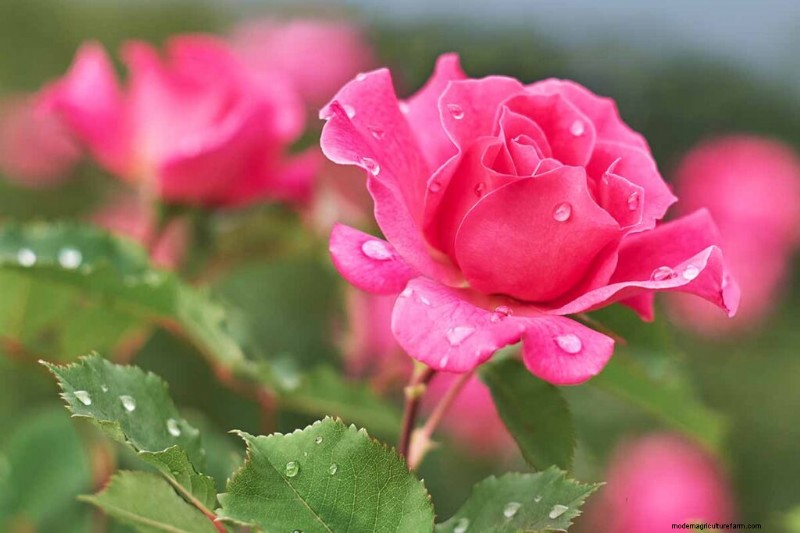
Rose water, rose syrup, and rose tea are pretty well-known options. But you can also make rose vinegar, compound butter, jellies, and jams.
Or toss the petals in cocktails, chicken or fish dishes, lamb curry, sandwiches, custards, cookies, cakes, and pies.
You can even pickle them with or without other veggies, and you can dry them to use like any other herb in your cooking.
Want to try a heavenly treat? Try the rosewater cardamom lassi recipe from our sister site Foodal .
Before you start eating your way through the rose garden, give the rose you’ve set your eyes on a sniff.
If you don’t like the scent, you probably won’t like the flavor – our senses of smell and taste are totally intertwined.
This applies especially to musk-scented roses in particular. Some people just can’t stand them.
The more fragrant the rose, the stronger the flavor will be. Darker ones and older varieties tend to be more flavorful.
With the exception of David Austin roses , newer creations like Knock Outs and Drifts tend to have no flavor at all.
Wash the roses by rinsing them under a gentle stream of cool water or swishing them in a bowl of cool water, and then pull the petals off with your fingers, leaving the calyx behind.
Snip off the white heels and let the petals dry completely on a clean towel before use.
Learn more about growing roses here .
58. Rosemary
Rosemary (Salvia rosmarinus ) flowers add a spicy, resinous flavor that is slightly more subtle than the leaves to dishes.
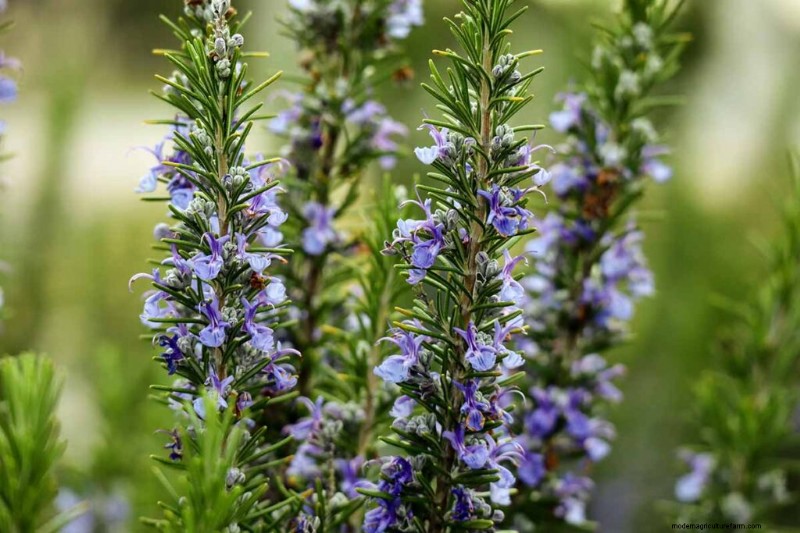
You can candy them for a pungently sweet bite or use them fresh anywhere you’d use rosemary.
In fact, I have friends that don’t like rosemary (I know, I’m not sure how we remain friends), but they love the flowers.
They‘re just mild and different enough that their taste might win some people over.
You can learn how to grow rosemary here .
59. Snapdragon
Yep, this adorable cottage garden favorite (Antirrhinum spp.) is edible.
Snapdragons can be a touch bitter, but don’t let that turn you off. Radicchio is bitter and it’s a gourmet staple!
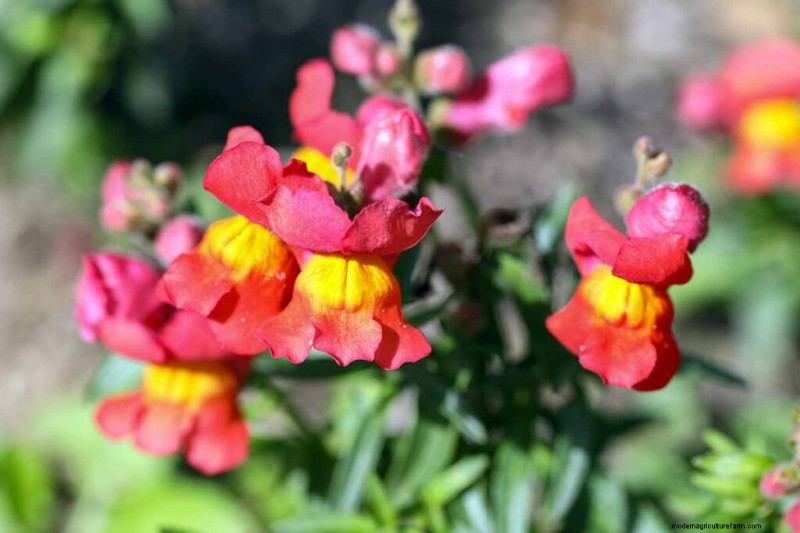
Photo by Kristine Lofgren.
If you haven’t checked out our guide to snapdragon edibility, read it now .
And you will find cultivation instructions here .
60. Squash and Other Cucurbits
Most of us have had stuffed squash blossoms before, or we’re at least familiar with them already.
You can also batter and fry them, add them to soup, salad, or egg dishes, or even use them to top chicken or pork.
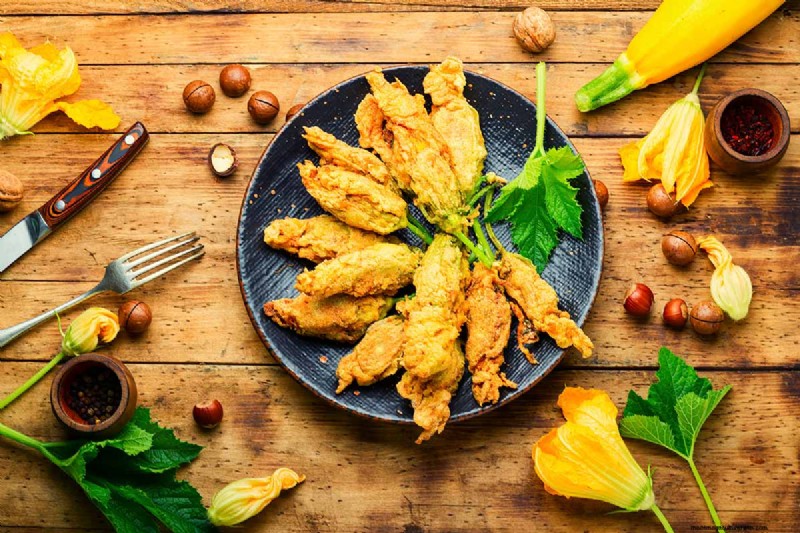
Many gardeners reference squash blossoms specifically, but you can also eat the blooms of other types of Cucurbits like cucumbers and melons, as well.
Zucchini blossoms are a classic choice for a reason, though – they are large and sturdy but not tough, with a mild floral zucchini flavor.
Melon flowers have a slight melon flavor, and winter squash blossoms tend to be a bit nuttier, though they’re still mild.
It’s best to pick male flowers, because the female flowers are the ones that turn into fruits. Males have much shorter parts while the female has longer parts at the center.
The stem behind the male flower is straight and the female stem will be more bulbous, since it’s actually the part that will develop into the fruit after it’s pollinated.
61. Sunflower
Sure, you know that the seeds are tasty, but annual sunflowers (Helianthus annuus ) are actually edible from root to tip.
You can harvest the petals for eating by plucking them away from the head.
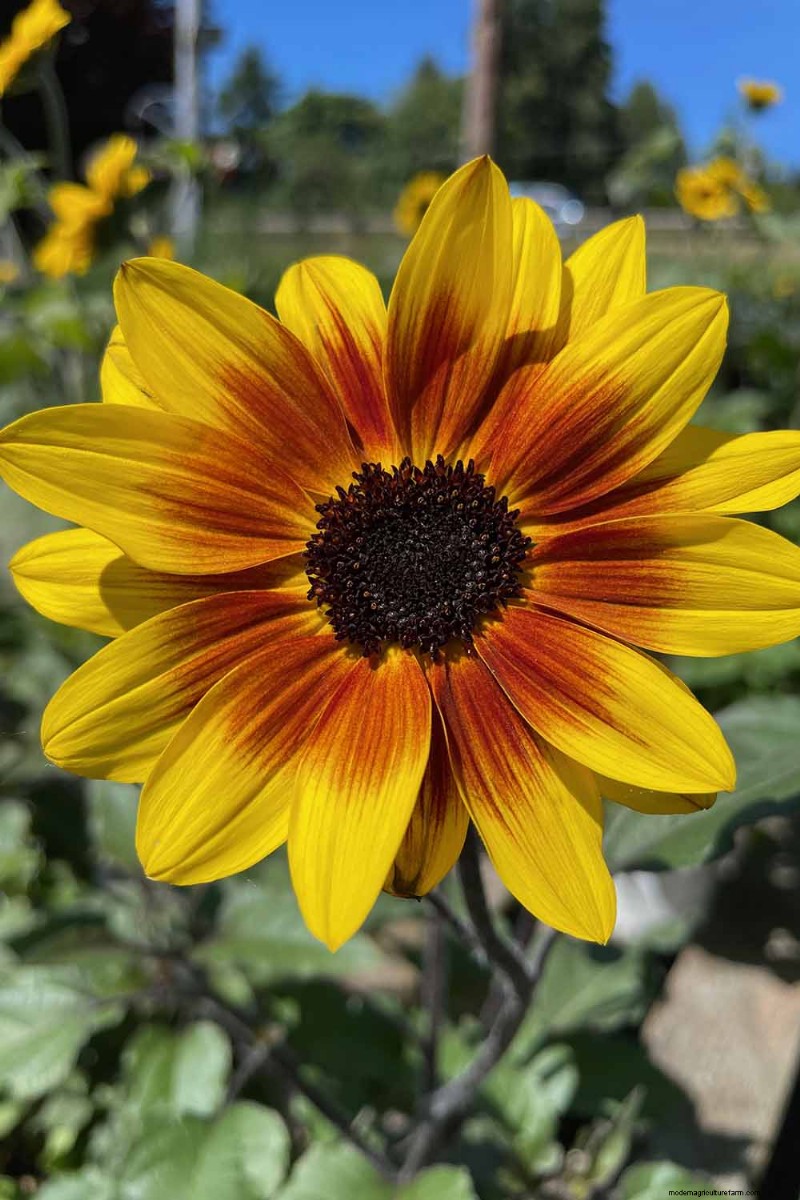
Photo by Kristine Lofgren.
The flowers have a nutty, floral flavor that fits right into pastas, salads, meat dishes, and soups. Whenever a recipe calls for sunflower oil, I add a few petals, just for fun.
Find out how to grow sunflowers here .
62. Sweet Alyssum
Lobularia maritima , commonly known as sweet alyssum, comes in clusters of white, yellow, pink, or purple four-petalled flowers.
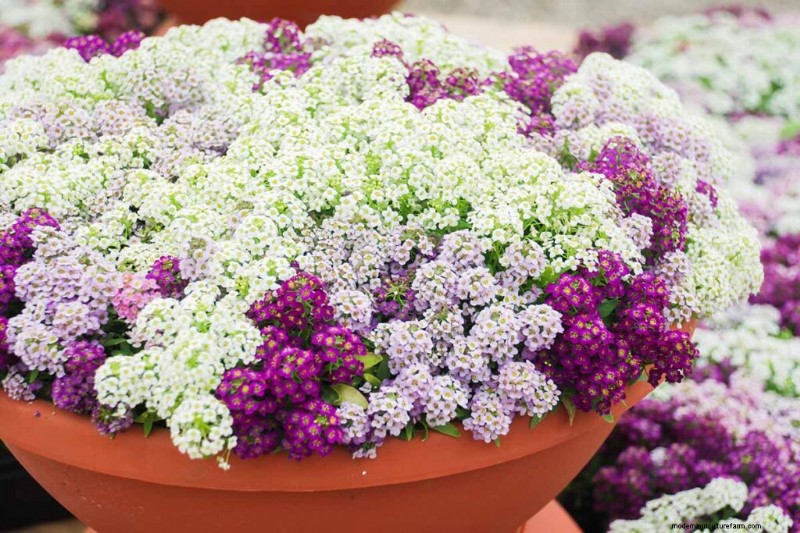
This lovely garden staple is a member of the Brassicaceae family, so it shouldn’t come as a surprise that it’s delicious. It has a sweet, peppery flavor.
In addition to making an excellent garnish, it can be used in soups, salads, and desserts.
This species is not to be confused with mountain alyssum (Alyssum montanum ), which is also technically edible but not tasty.
Learn how to grow sweet alyssum here .
63. Sweet William
Don’t ask me why you constantly see nasturtiums and violets being sold as edible flowers, but you rarely see sweet williams (Dianthus barbatus ) marketed this way in grocery stores.
Sure, you’re likely to come across bouquets of carnations to add to a vase, and these may be edible if they’re not treated with anything. But shoppers are really missing out!
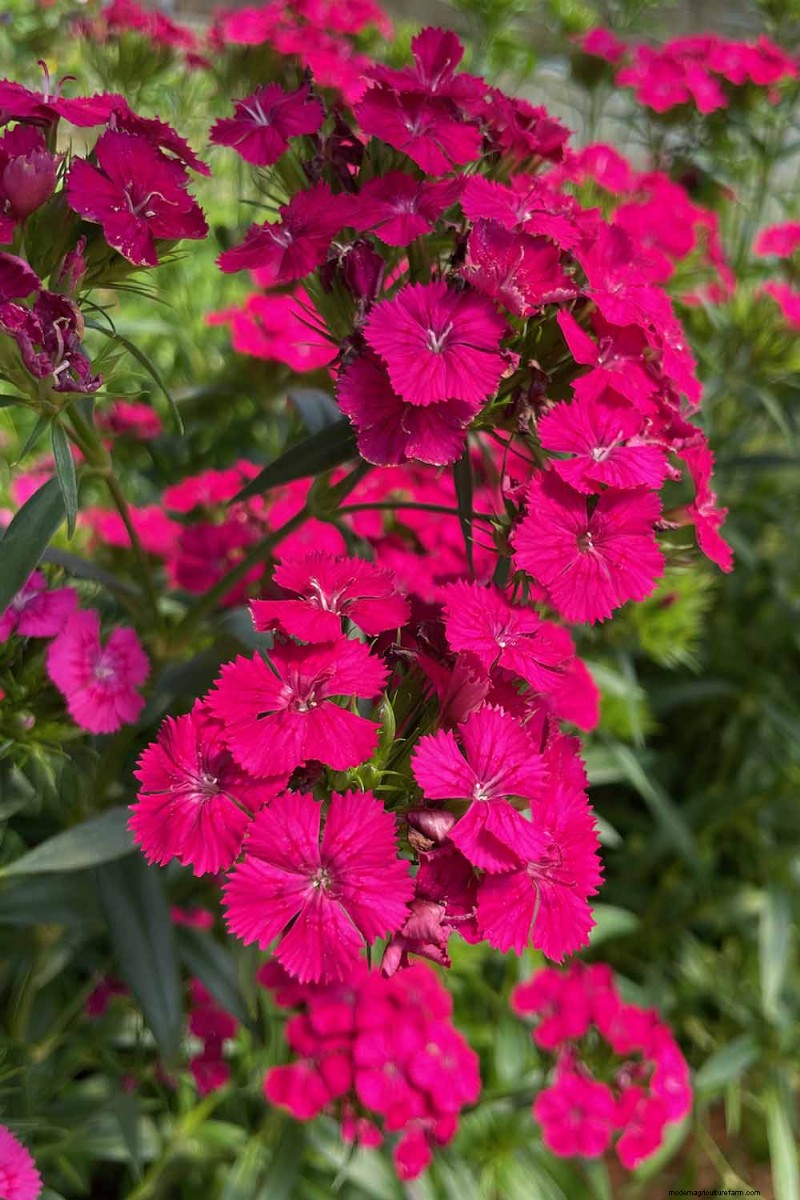
Photo by Kristine Lofgren.
Flowers from this genus are some of the tastiest out there. Maybe we need to start a campaign.
Sweet williams have a spicy, sweet flavor that works well in sweet and savory dishes of all kinds.
Candy them, toss them in salads, soups, and cocktails, or cover a cheese log with petals and serve it with crackers.
Check out our guide to growing dianthus for more information about these flowers.
65. Tulip
Tulips (Tulipa spp.) are underappreciated in the kitchen.わかった。 They’re so pretty that maybe some gardeners don’t even want to imagine eating them.
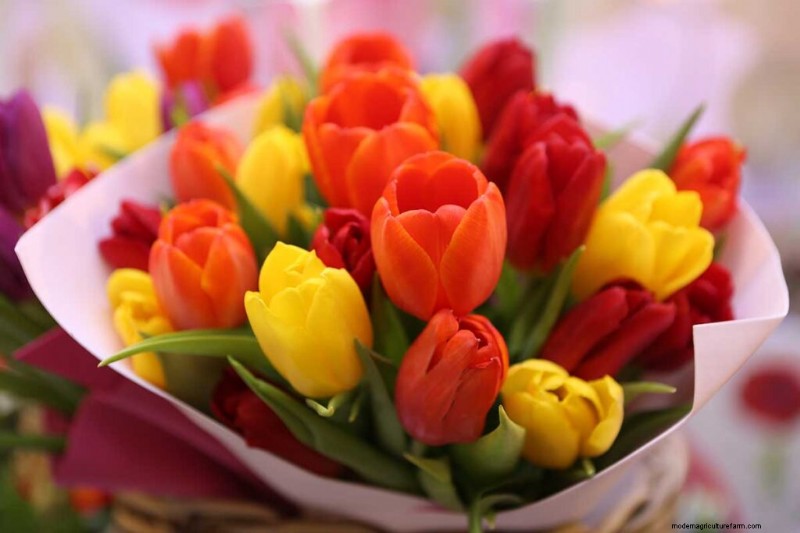
But they have a marvelous flavor that is a mix of asparagus and English peas.
Any culinary creation that could use a hint of those flavors – like egg dishes, salads, veggie dishes, or chicken salad – is fair game.
The petals of some varieties are quite firm, which makes them perfect as a potato chip alternative. Or stuff them as you would endive or lettuce leaves.
Learn how to grow tulips here .
66. Violet
Violets (Viola spp.) are another one of those flowers that appears in every garden but rarely in any kitchen dishes.
Wild violets are tastier but these are generally going to be harder to get your hands on. If you’re up for some foraging and know of a good place to pick, have at it!
Whether cultivated or wild, don’t dry them or sit on them for too long after picking. These close relatives of pansies are best enjoyed fresh.
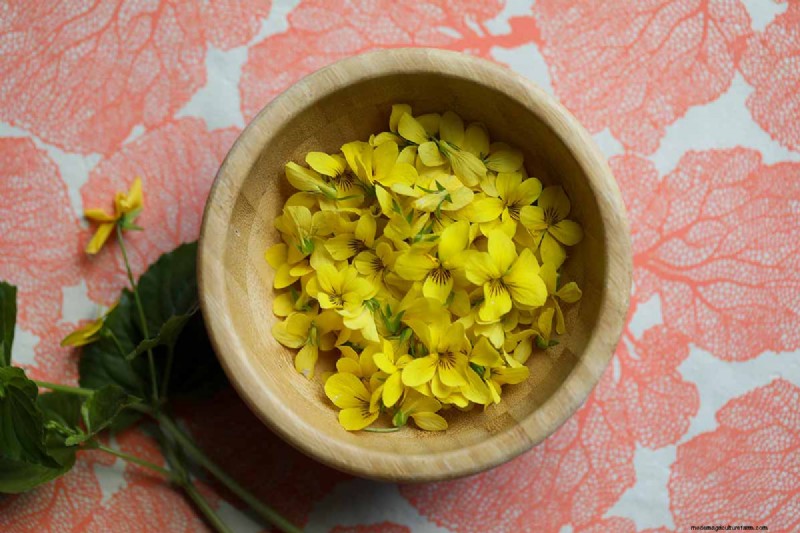
Photo by Kristine Lofgren.
If you can’t eat them right away, wrap the flowers in damp paper towels or float them in a bowl of cold water.
Some other types of flowers require prep in the form of removing the centers or bases first, but you can pop entire violets in your mouth straight off the plant.
These are a classic option for desserts, especially when they’re candied, with a distinct, perfumey flavor.
You often find them in ice cream, candies, marshmallows, cakes, and cookies. But they’re excellent in savory dishes, as well.
Use them in fish salad, chicken curry, egg dishes, and cheese souffle.
One of my favorite recipes for violets is from “The Forgotten Art of Flower Cookery.”
Author Leona Woodring Smith combines pineapple juice, tapioca, sugar, grated lemon peel, raspberries, oranges, orange liqueur, and fresh violets to make a soup. It’s phenomenal.
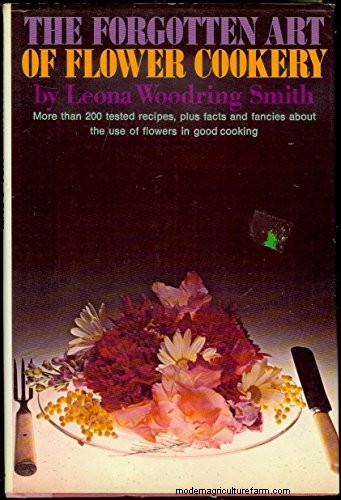
The Forgotten Art of Flower Cookery
While the book is out of print, you can pick up a copy at used bookstores or find it on Amazon 。 It’s a must-have if you want to expand your flower cookery repertoire.
Learn more about using edible violets in recipes .
64. Sweet Woodruff
I have a soft spot for sweet woodruff (Galium odoratum ) because the shady areas of my dry Utah garden were extremely hard to fill with anything but hostas.
I love a good hosta, but sometimes you need something different.
I dug up a clump of sweet woodruff from my grandma’s yard and put it in my own soil. Within a few years, I had a beautiful green carpet of this wonderful herb.
One person’s (somewhat) invasive ground cover is another’s shady savior, right?
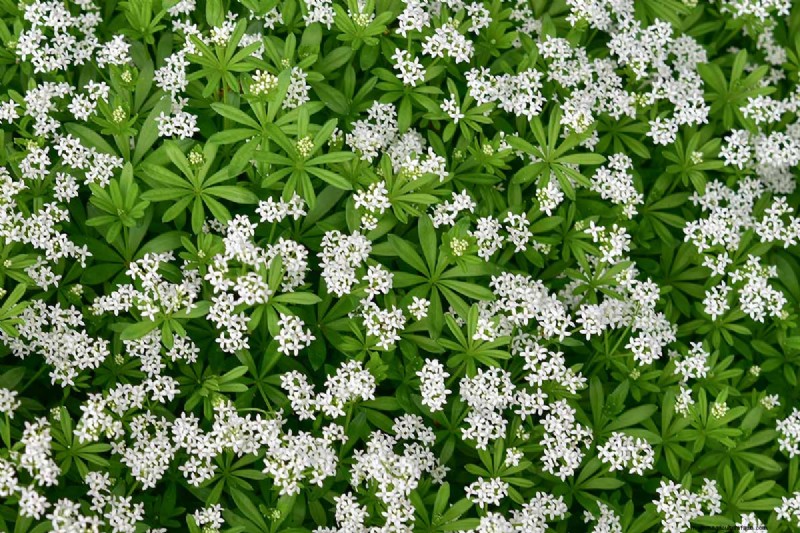
Sweet woodruff has a mild, hay-like flavor, and it can be a touch bitter. May wine is perhaps the most famous use of these flowers in the kitchen.
Years ago, the pleasant-smelling leaves, stems, and flowers were used as a mattress stuffing, which earned this plant the nickname sweet-scented bedstraw.
You can use the flowers to infuse tea or honey, sprinkle them on salads or sandwiches, or use them as a garnish.
Head to Foodal to learn more about using this plant in the kitchen and in your herbal medicine cabinet.
67. Yarrow
Whether you’re growing it intentionally or it’s naturalized on the roadside, yarrow blossoms (Achillea millefolium ) are well worth having around.
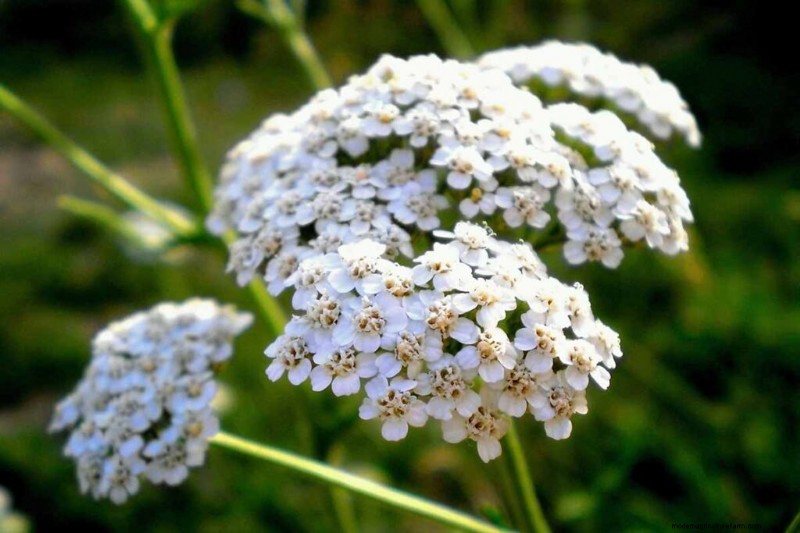
The flowers can be yellow, pink, or white in flat clusters that grow on stalks that can grow to be up to four feet tall.
The flavor is spicy and herbal, with notes of oregano combined with honeyed sweetness. Young blossoms are best as they turn bitter with age. And cooking amplifies the bitterness.
You can use dried yarrow flowers in tea and cocktails, or enjoy them fresh in pasta and rice dishes.
Some other Achillea species are edible, but stick with common yarrow. It has the best flavor.
68. Yucca
Most people in the US haven’t yet caught on to how fantastic yucca flowers are as edibles, but Native Americans and Mexicans make good use of Yucca bachata , and the blooms of all species in the genus are edible.
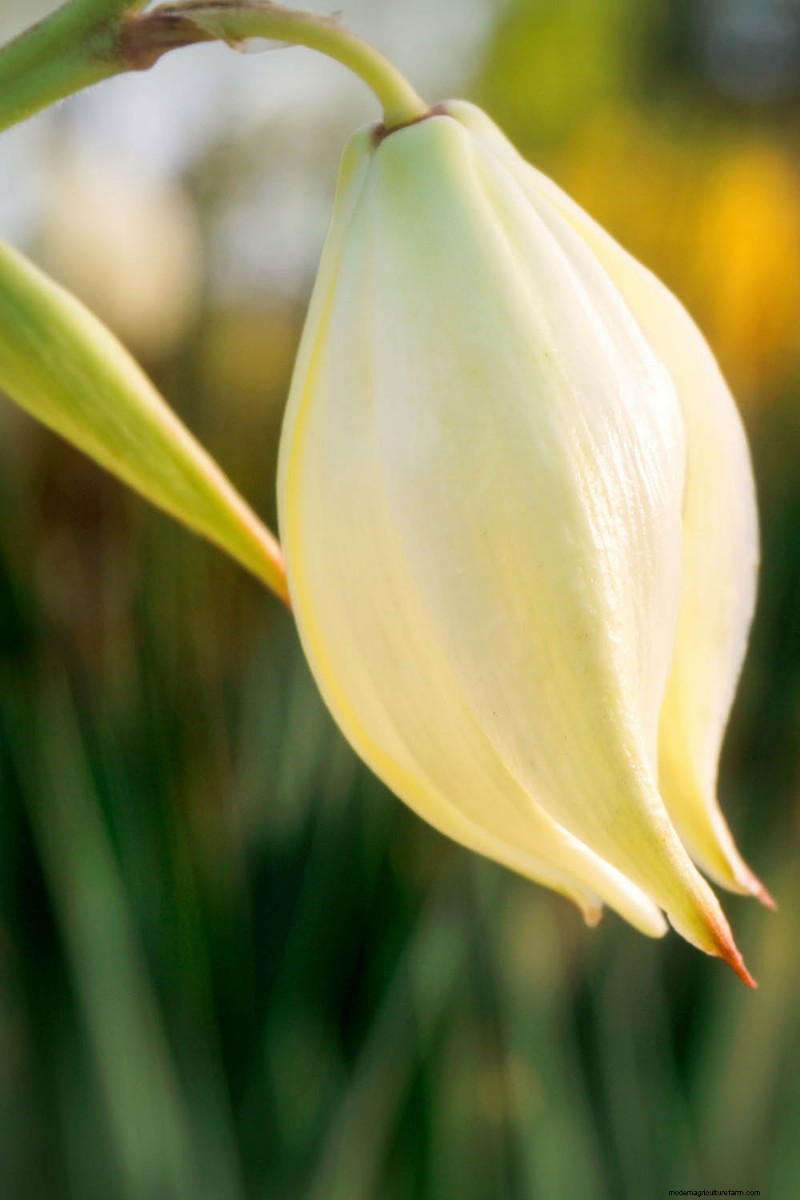
In Mexico, flor de izote (aka yucca flower) is used in steak, egg, and chicken dishes, whereas in El Salvador, it’s most popular in egg dishes, aka flor de izote con huevos.
The flowers are mildly sweet with an asparagus-like flavor. However, all other parts of the plant except the fruits of certain species are toxic, so use caution.
Our guide provides cultivation instructions .
69. Zinnia
A South American native, Zinnia elegans or the common zinnia has bright orange, yellow, red, or magenta flowers with rows and rows of petals.
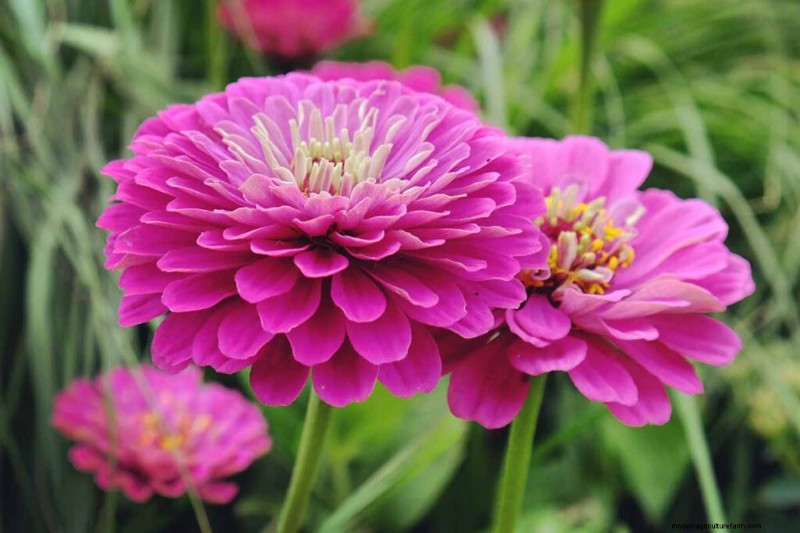
The flavor is slightly bitter, so use the petals sparingly or candy them to mask the bitterness.
Learn more about zinnias and how to grow them here .
A Feast for the Eyes and the Mouth
Most of us wish we had more space and time, which is why growing plants that can do double-duty in some way is so appealing.
But even if you aren’t growing any of these species already and you’re simply looking for a way to expand your cooking horizons, foraging for many of these is also possible.
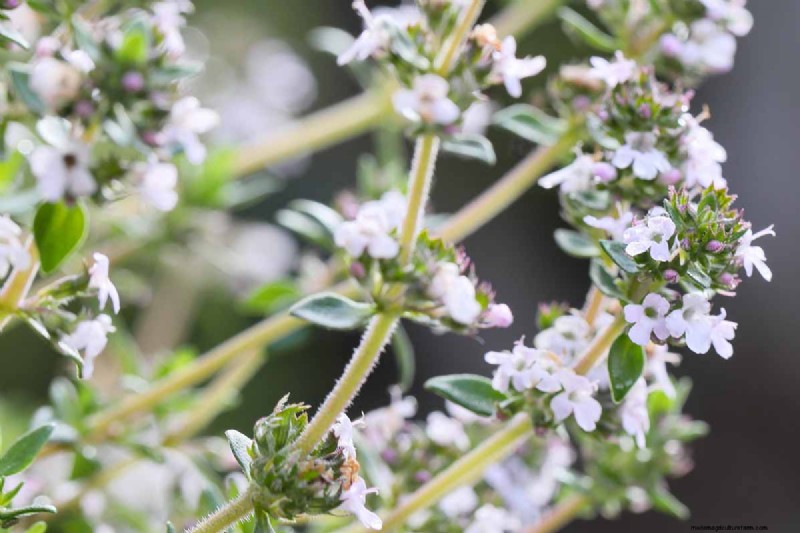
Photo by Kristine Lofgren.
Edible flowers are a feast for the eyes and the mouth. There’s something special about tucking into a dish of flowers that brings to mind lazy summer afternoons, or the optimism of spring.
But the species listed above aren’t just good as garnishes. Most are supremely flavorful in their own right, with many of them just waiting to be rediscovered as a worthy ingredient.
So tell us:what types of flowers are you going to dine on? Did we miss any that you particularly love? How do you use your edible flowers? Let us know in the comments.
And if you’re looking for more information about growing flowers in your garden , check out these guides next:
- 21 of the Best Flowers for Mass Planting
- Birds, Bees, and Beauty:Tips for Growing a Native Wildflower Landscape at Home
- 15 of the Best Flowering Ground Covers to Meet Landscaping Challenges